
Step One: Go into Starbucks.
Mistake number one.
Step Two: Order a decaf.
Mistake number two.
Step Three: Expect a normal response.
Mistake number three.
I walk up to the counter to a server who was clearly sizing me up:
“Konnichi wa. Burakku dekafe hotto no toru onegai dekimasu ka?”
As soon as the words leave my mouth, she holds up a finger, turns to the colleague behind her, and, as if I don’t exist, says:
“‘Juppun kakaru’ tte Eigo de nan to iun deshitakke?” (“How do you say ‘it takes ten minutes’ in English?”)
Thinking, did I stutter? I immediately say:
“Nihongo de ii desu yo” (“you can speak to me in Japanese”).
What continues is a conversation in that awkward mix of semi-confident English on one side, and, to be frank, pretty good Japanese on the other.
Off the bat I probably should have just said “it takes ten minutes, does it?”, but I copped out.
Weakling.
Now, in case you missed it, Lizard People are the sort of people who arrive in a rural Japanese town en masse in a massive multi-million dollar ship, take token photos, and then go back whence they came (belong).
You, dear reader, by reading this newsletter have proven that you are indeed not a Lizard Person.
Thank Kami for that.
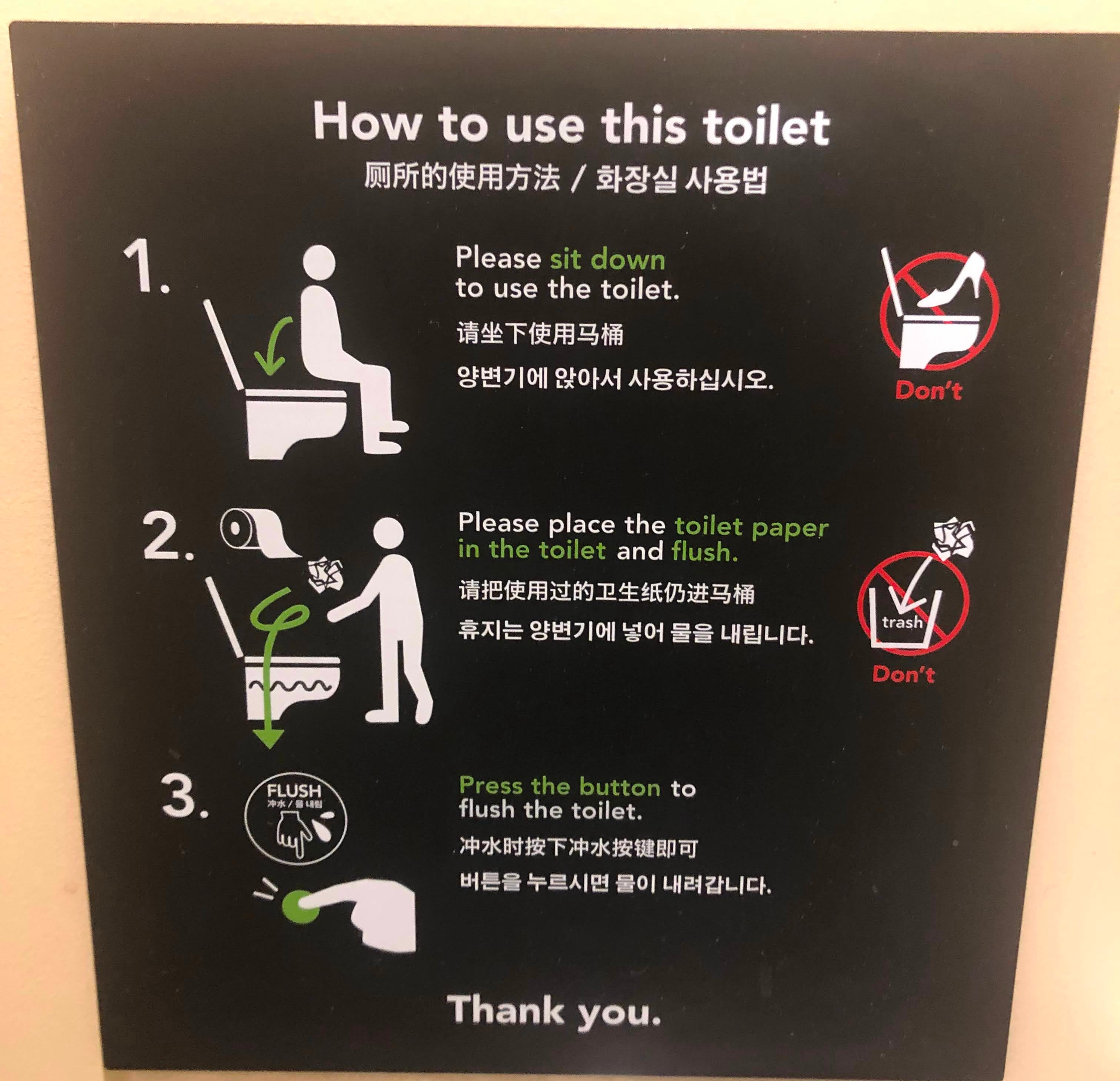
Normally, Lizard People are harmless. Although, they do leave behind a dangerous footprint: wherever they lurk, a permanent, town-wide “English Panic Mode” sets in, including, but not limited to, pretty much every corporate chain in rural Yamagata (which, as I’ve explained before, is as dangerous as it sounds).
And yes, that includes Uniqlo:
The staff member sizes me up as I wait in line. When it’s my turn, I put my Airism in the self scanning box thing, and push the button that says ‘begin purchase’. Next second, out of nowhere a ninja arm swoops in and starts tap tap tapping on the screen, trying to put it into English.
Woah Nelly! Hang on a second!
“Nihongo de ii desu yo!”
But instead of the expected dogeza, the deepest bow possible where the forehead reaches the ground, I get a simple “shitsurei shimashita”, the equivalent of ‘sorry for the trouble’, but quite literally: ‘I was rude’.
Yeah, no need to tell me.
Now, where can a yamabushi get some food around here?
I mentioned every corporate chain in Yamagata seemed infected, but there was one exception:
Family Mart.
The holy grail of all things Japan and convenience (mainly because of the D-points).
I notice the old dude behind the counter sizing me up before I even reach the onigiri section. I grab my staple, konbu (kelp) and ‘sea chicken’ (a story for next time), and place them on the counter. What with my recent luck at Japanese chain stores, my mouth automatically starts to say “nihongo de ii…”
“Attamegga?”
Zero attempt at English. Not even formal Japanese. Rural, Shonai dialect for “do you want it heated?”.
My kind of guy! I seem to have found the last bastion of non-Lizard People in northern Japan, in a Family Mart of all places.
I ask if he can speak English because… just joking!
Lizard People be damned!
Daily Yamabushi Posts for July 24 to 30, 2026
Here are my Daily Yamabushi posts for the past week. Get more Daily Yamabushi posts at timbunting.com/daily-yamabushi. Discover more Japan essays and daily insights in the Kiwi Yamabushi Substack Archive, or follow my writing over on Medium.com.
AH yes! I know the feeling! I do not speak Japanese except the few obligatory tourist words such as "good morning" Good evening" " I'm sorry" etc (always felt that was probably going to be necessary) So after 2 separate month long trips to Japan and practising my 22 words for months repeating after the girl on the "You can speak Japanese" video, I thought I was good to go! I even learnt to say "gomen nasai"--- (point to myself looking apologetic) and adding " Gaijin! " (spelling may be wrong but you know what I mean). Then the person just looked at me blankly. I felt like saying "What's the matter? Dont you understand Japanese?" Another day, my friend and I were walking next to some vegetable fields, with older people working in them. They all stood up to look at us... we enthusiastically called out "Konnichiwa!!" They all replied cheerily "GOOD MORNING!" At least we all laughed at each other.
Bless those old dudes and old babes behind the counter who just get real -- real quick. Not sure if anyone's written about the generational differences in how Japanese treat Gaikoku no Kata, but I think often feel so much ease and love and curiosity and good vibes from the older folks who are basically my parents age. I wonder if it's because more have traveled abroad? Or more have gotten used to the wave of visitors over the years? ❤️