

Kia ora Koutou, Tim Bunting, Kiwi Yamabushi here on the Japan you never knew you wanted to know.
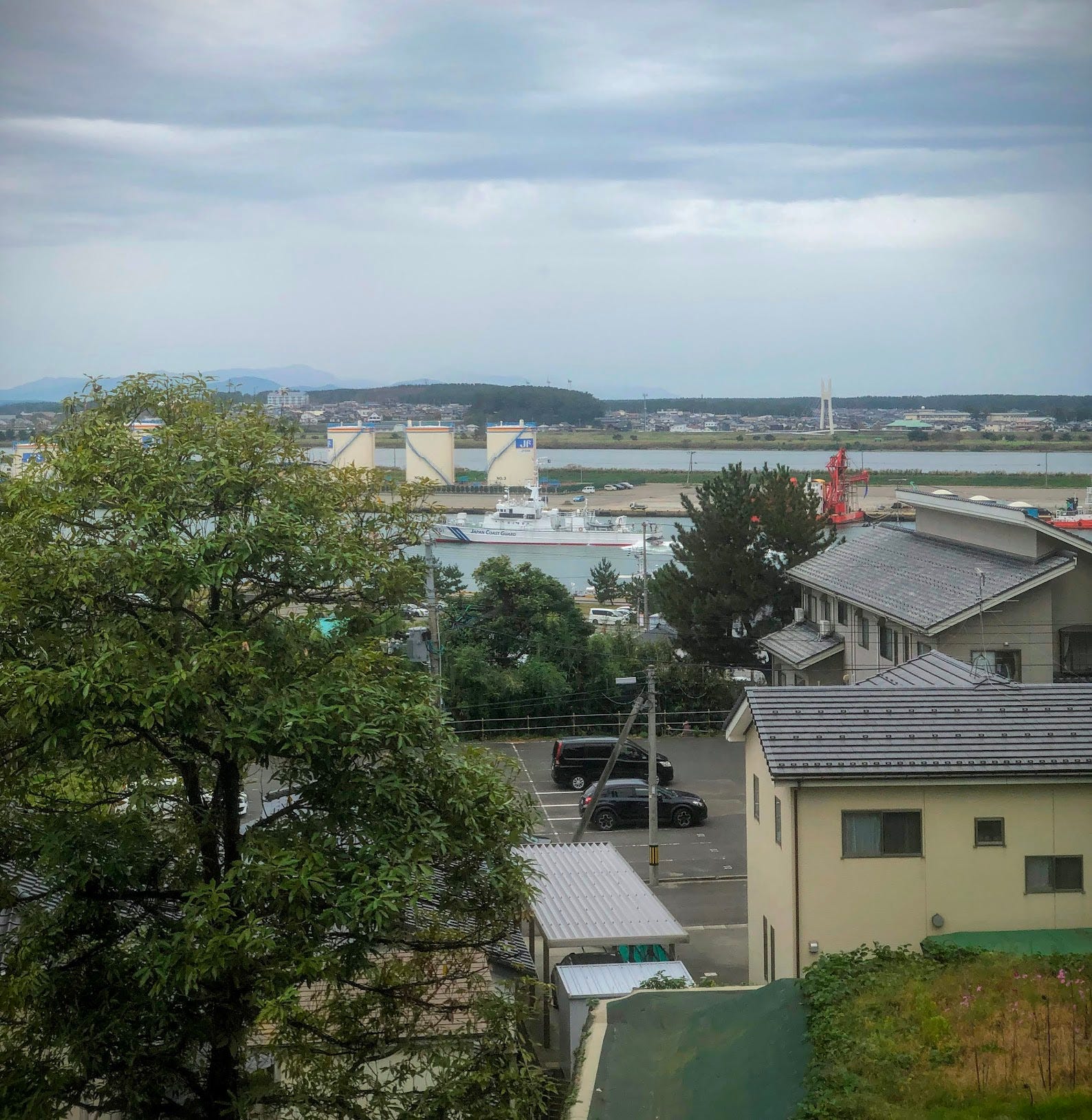
Here I am, sitting on the second floor of a cafe staring out over Sakata harbour.
And I know what you’re thinking.
Sakata? Aren’t they that famous brand of rice crackers?
Yes, they are!
Well, for some.
When I was a little kid, we used to have Sakata rice crackers. Not only were they (at least perceived as) healthier, they had a proper ear worm of a theme tune to boot:
Sa…ka…ta…
But when I was working at a supermarket during my university days, someone decided to change their name to this abomination:
Peckish.
Like, what the hell? Sakata is by far the better choice!
Dark days indeed.
At least some countries (well, just Australia, I think) saw the light and kept the Sakata part.
So they should have!
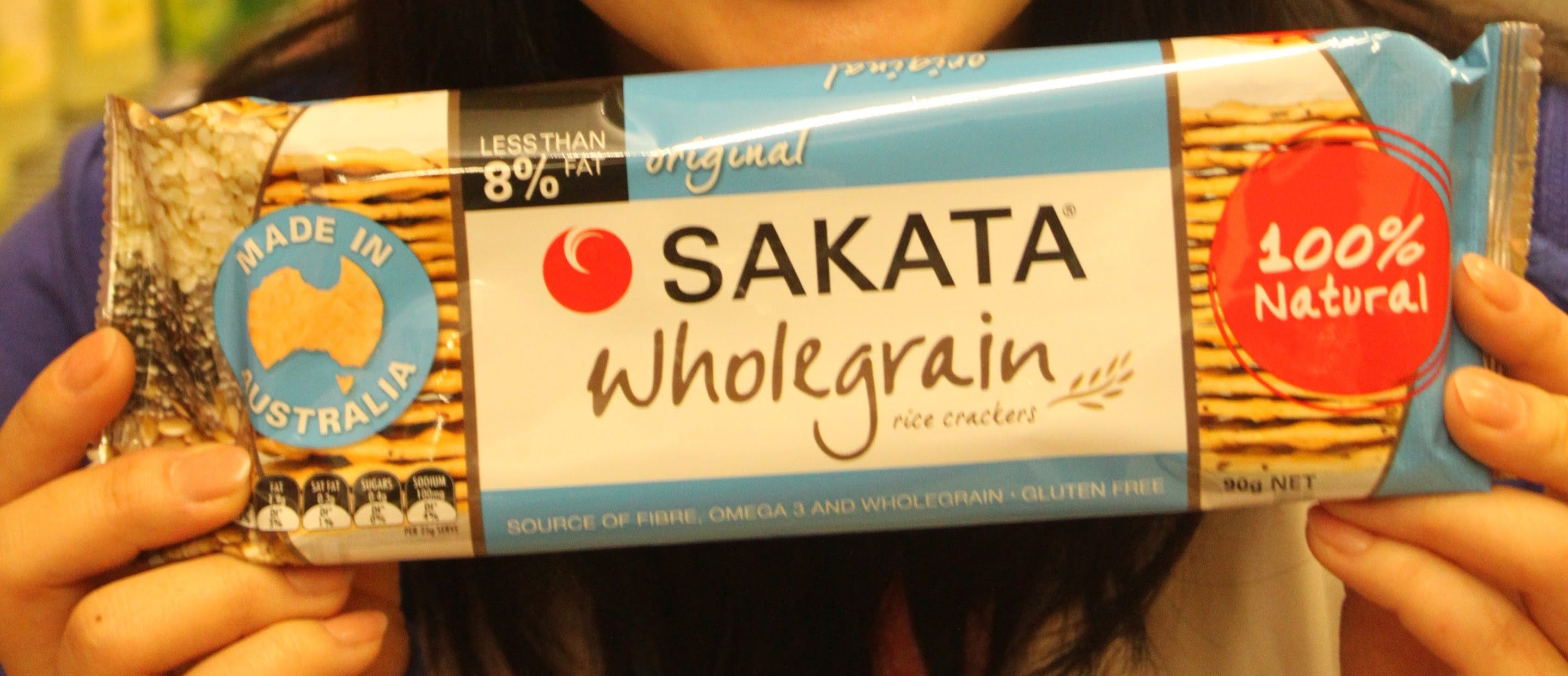
If only the people at Peckish knew the history of the Sakata name, they wouldn’t be so dismissive!
Sakata is currently written 酒田, ‘sake rice field’, the only city in Japan with sake (yes, Japanese rice wine) in its name. In those days, however, Sakata’s name was written 狭潟, ‘narrow lagoon’, or 砂潟, ’sandy lagoon’, similar to the ‘new lagoon’, 新潟, Niigata, to the south.
Apparently Sakata also could have been Saketō, an Ainu name meaning ‘salmon ocean’ after where the salmon gather in the ocean. (Or try Kaisen Ichiba where the salmon gather in my stomach!)
Either way, how did Sakata come to be known as sandy lagoon? And how did it come to get sake in its name?
