
Looking at the comments recently on Japan’s top travel blog, a small, obscure forum I found called Facebook, it seems that every. single. American. visitor. to. Japan. has the exact same question:
Why no tipping?
Do we have to spell it out for you? Poor Americans. You don’t need to tip in Japan. Or pretty much anywhere, for that matter.
But that extra coin would be nice.
It used to really shake my Shakujo when Americans insisted on hanging their domestic guilt out to dry in other countries like this.
Used to.
I had a change of heart.
I mean like, if you really want to part with your hard-earned greenback because it makes you feel morally superior, who am I to stop you?
In fact, I think we should encourage it.
But why?
Well, Japan is really betting the pachinko parlour on this whole foreign tourism thing. Tokyo policymakers are determined to boost foreign arrivals from around 40 to 60 million by 2030, and at this rate they’re probably going to get there.
Not impossible. Not desirable either.
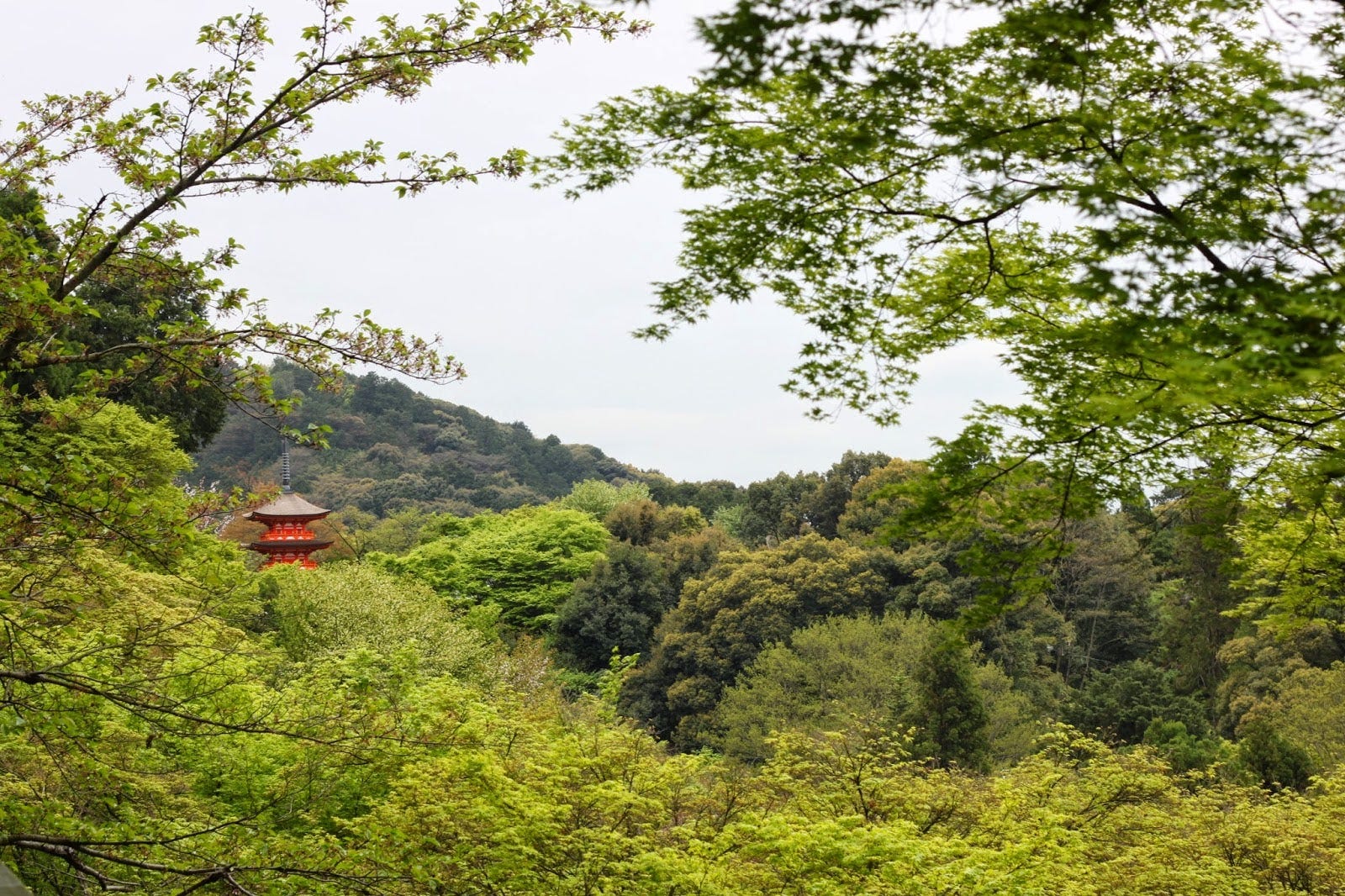
In case you didn’t get the memo, tourists suck. I’m worried some might actually get the message that there’s more to this country than the Golden Route of Tokyo, Kyoto, and Osaka. Oh, and I guess Hiroshima if you’re lucky. Or unlucky if you’re Hiroshima.
Anyway, I’m worried some of them will bring their ‘I once read a Japanese self-help book and now my Ikigai is to drink Uji Matcha in Arashiyama’ thinking up to us here in northern Yamagata.
No Arigato.
So, is there a way to still get the funds from foreign tourism but without all the crowds? Is there a way to keep Yamagata pristine and away from all these scoundrels?
You bet there is!
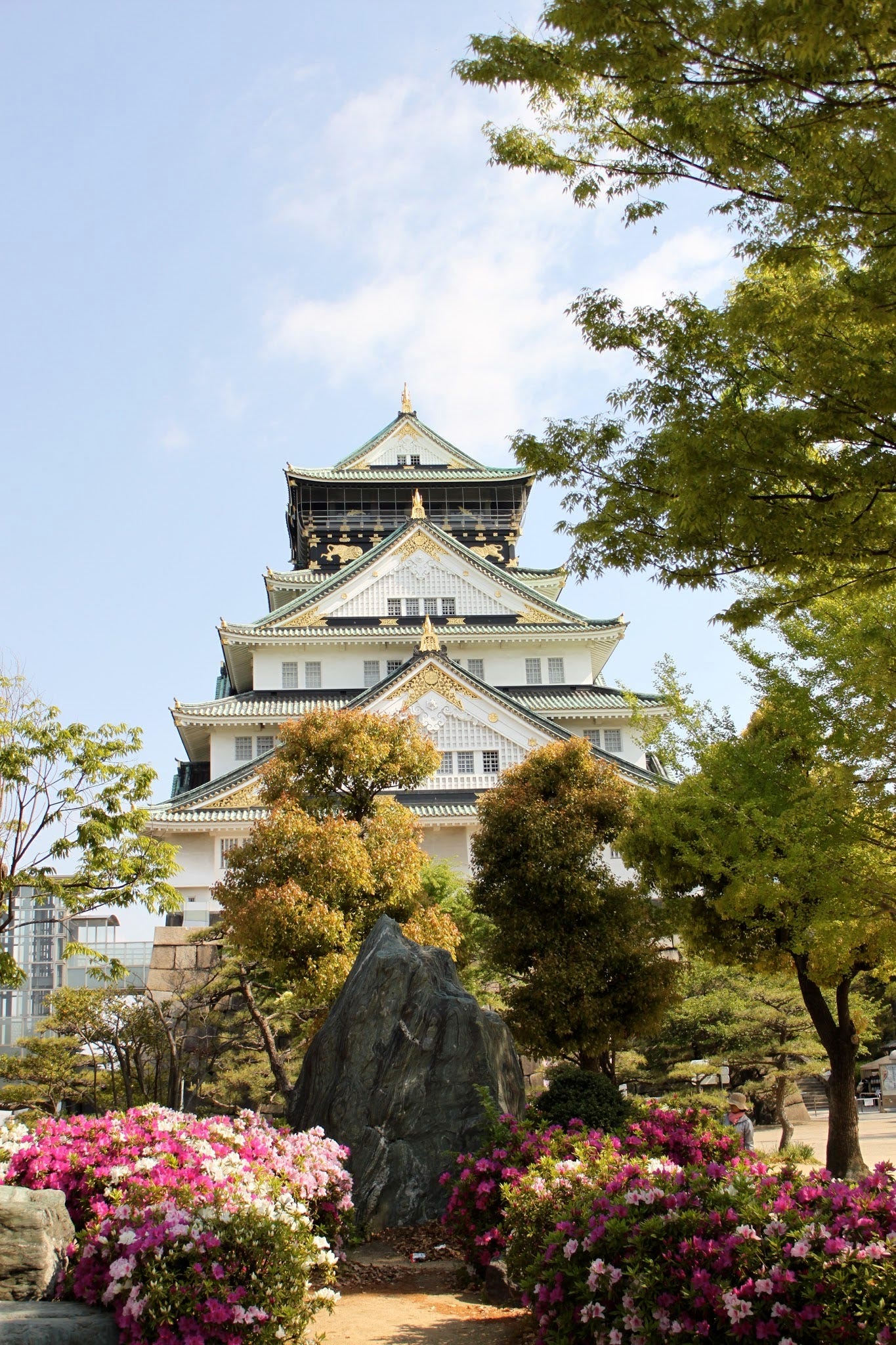
If we can somehow siphon tips from Americans into a fund that works to keep them on the Golden Route, we can have our sashimi and eat it too. I first thought something like ‘freedom tariff’, although, as everyone knows, ‘freedom’ and ‘tariff’ together are an oxymoron.
No. Since we’re in Japan, we need a proper local disguise. Something covert locals can get behind but Americans have no clue as to the true meaning.
Oh! I know!
In Japanese Buddhist tradition there is a term: Seppo. Written 説法, a seppo is an earnest sermon given by an enlightened master on virtue, ethics, and correct behaviour to the backward, unenlightened masses. When an American visitor to Japan wants to give a tip to someone who just handed them a bowl of ramen, not only will they be able to pay the bill, they’ll be able to preach their gospel of moral superiority to an ancient culture that already pays its workforce properly.
Now, I know what you’re thinking. How would this ‘Seppo Fund’ work? How could we collect the money?
I mean, Japanese people won’t accept tips if they can avoid it. It needs to be covert so they don’t even realise. Plus, we’ll need to update our electronic payment systems to ask just Americans for tips. It’s only fair.
Not to mention, not everywhere in Japan takes card. In fact, far from it. My barber, my dentist, my swimming pool, and then things like Pachinko parlours, some bakeries and cafes, places tourists like to tourist: temples and shrines, for example, only accept cash. A purely cashless system is not going to work on its own.
What we need is a two-pronged attack. One for cash payments, and one for electronic:
First, the hard part. Cash:
Shoving money at an unsuspecting Hanako or Taro without a formal envelope or those little blue plastic trays is a crime punishable by death in Japan. Cash passes through too many unknown hands and is a form of Kegare, defilement or impurity in Shinto. Handing over cash to a Japanese person feels less like gratitude and more like dumping rubbish on a freshly swept tatami mat, especially when that cash has been crumpled in your pocket all day.
In other words, you can’t just drop loose bills on the counter like some uncultured swine. You need class, decency, and finesse. In other words, you need a civilised way of passing the money on.
And I have just the thing:
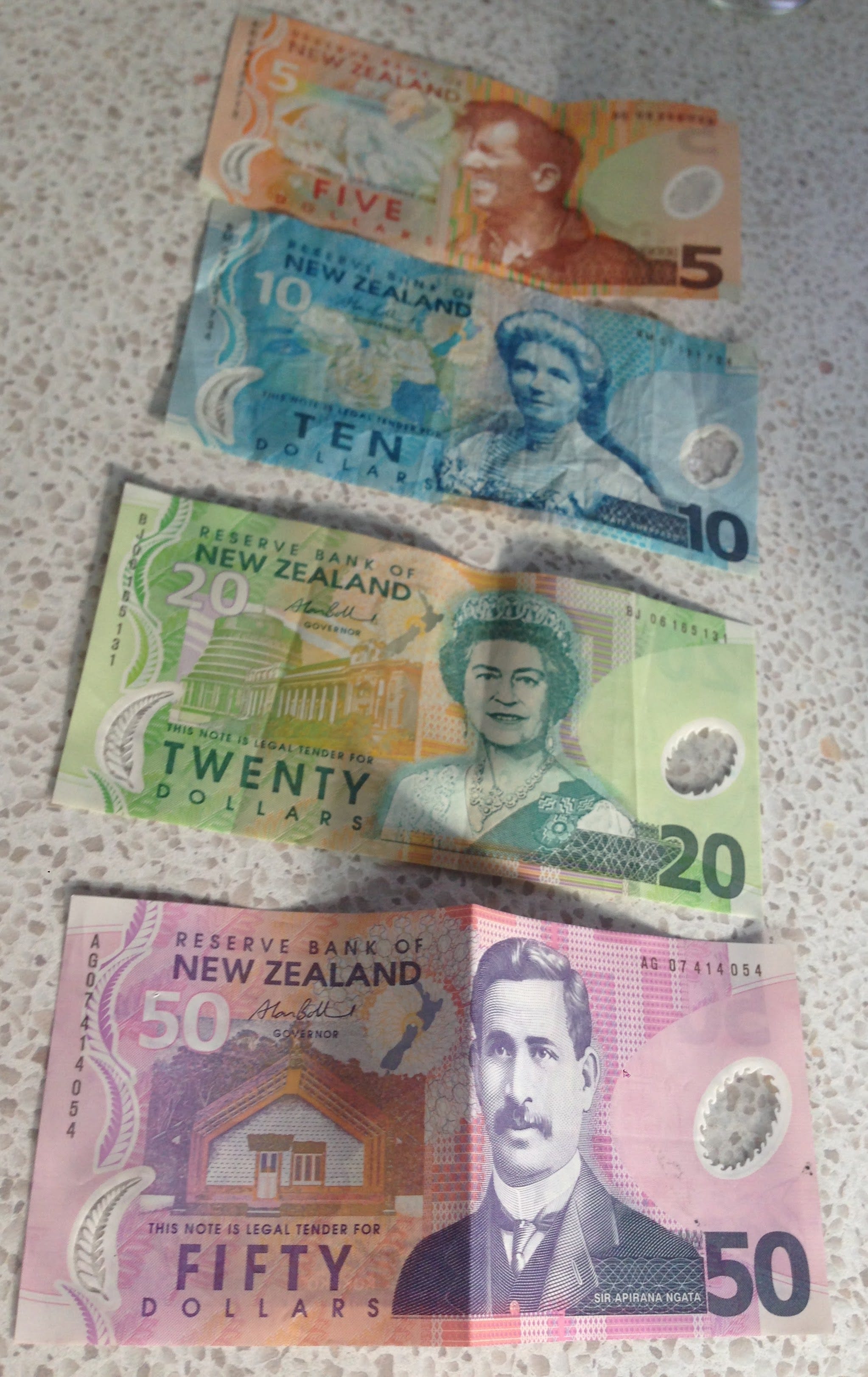
Americans probably hold New Zealand’s colourful bank notes in their hands, see the vibrant polymer, take a peek through the transparent plastic window, and sneer in disgust:
”What is this? Monopoly money?”
Meanwhile, when us Kiwis hold a limp, cheap American greenback, we know then and there that it would never survive even a delicate cycle in a washing machine, so we sneer right back:
“What is this? Monopoly money?”
And that’s why it’s so perfect.
Australasian polymer notes are indestructible. Try folding a Kiwi twenty and it bounces right back into place like a bungee cord.
American notes on the other hand, American notes leave creases like my Hakama pantaloons after a week on the mountains.
You know what else keeps a crease like that?
Origami.
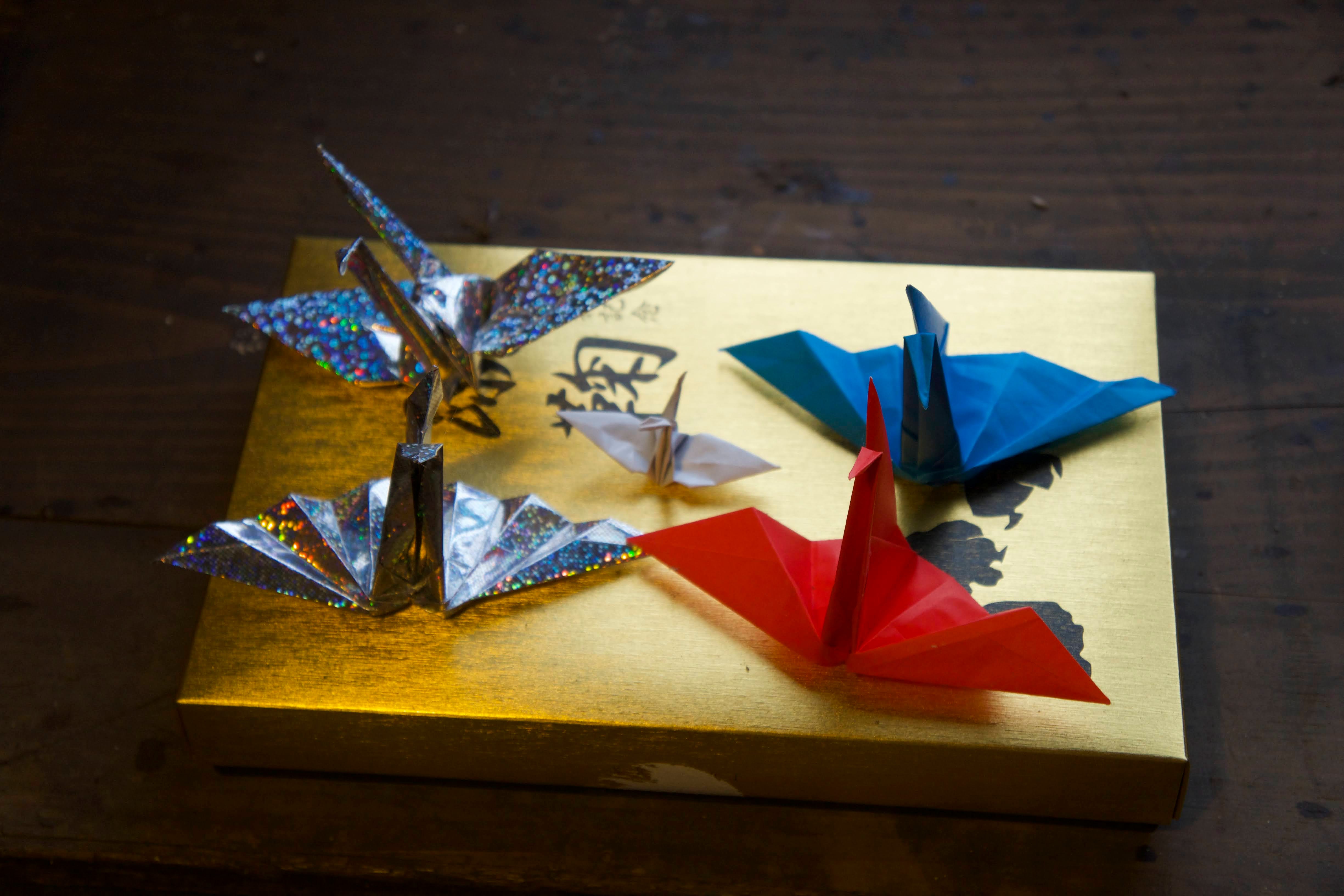
Japanese people have an aversion to raw cash handouts, but they love gifts. There’s an entire industrial complex built around plastic. Oh, did I say plastic? I meant omiyage souvenirs.
All we need is to disguise the cash as omiyage. And how do we do that? Teach Americans how to fold Benjamins into paper cranes. That way, they aren’t ‘paying’ raw cash; they’re providing reparation for a service in the form of a delicately folded sculpture. And if the service they get is really, really good, they can up their game to a paper crane with wings that flap when you pull the tail.
A win for both sides!
After that we just ask the shopkeepers along the Golden Route to hang up the paper cranes on a string in groups of 1000, the lucky number for granting a wish, cash them at their local post office, and let the government skim the Seppo Fund cut off the top.
Easy peasy!
Second, electronic payments:
Thankfully, this part has already been solved, for the most part at least:
Last year, I wrote about being asked to tip by a credit card machine in Aotearoa New Zealand. In that article I failed to mention I was with an American. Coincidence? I think not. As it so happens, an Aussie hospitality worker chimed in on the comments, explaining that their machines had the exact same prompt. Except, the Aussie cashiers are so onto it that the moment they sniff a local, their thumb hits the “No Tip” button before anyone can lift an eyebrow. The moment the cashiers hear an American accent though? Their eyes fill with cash signs and they leave the “No Tip” button bare.
As they should. (Am I right, Americans?)
In the case of Japan though, all we need to do is install voice detectors set to American (a short ‘all y’all’ ought to do the trick), and have the machine ask for tips. To keep it completely covert from the Japanese staff, the machine will simply translate the 30% markup on their side of the screen to read “Omiyage” (which Japanese people love).
Problem solved.
Then all we need to do is use the money from the Seppo Fund for a few neon billboards in Shibuya, a giant mechanical crab in Osaka, and a matcha cafe in Arashiyama.
Easy peasy.
Teach them to fold their cranes.
Let them preach to their heart’s content.
Then let the Golden Route get so filthy rich off American guilt they never so much as think of looking north to Yamagata.
Last Night’s Substack Event in Tokyo!

Thanks so much Mark Kennedy and everyone involved, I had an amazing time.
Daily Yamabushi Posts for October 30 to November 5, 2026
Here are my Daily Yamabushi posts for the past week. Get more Daily Yamabushi posts at timbunting.com/daily-yamabushi. Discover more Japan essays and daily insights in the Kiwi Yamabushi Substack Archive, or follow my writing over on Medium.com.
Rather than clicking on these individually, you can just read all at once here.