
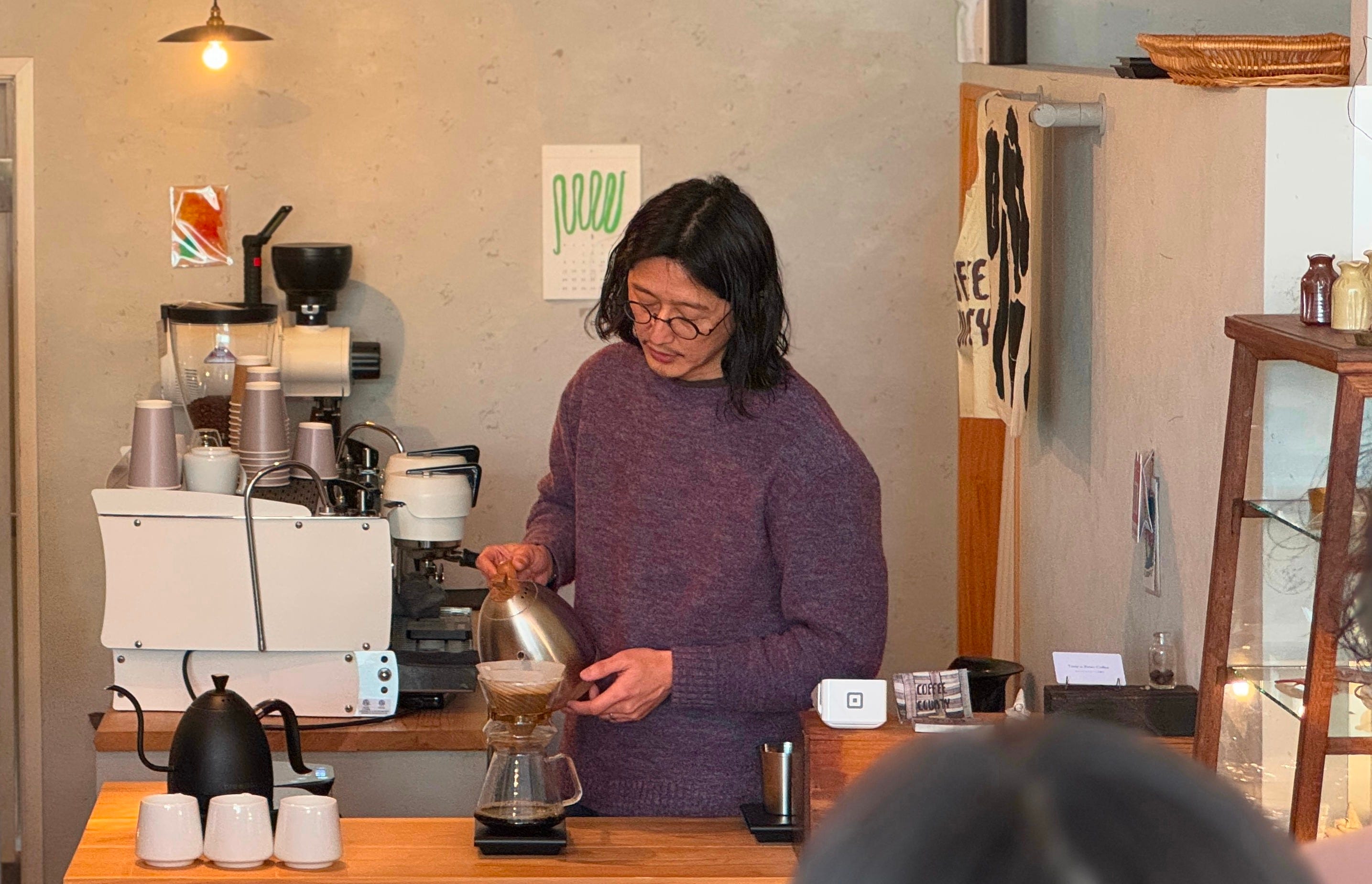
I see a lot of comments from Kiwis and Aussies asking why they can’t get decent coffee in the morning in Japan. It’s not that you can’t get decent coffee, it’s that Japanese coffee culture is based off something entirely different: Kissa. Kissa culture was alive and well when espresso-based coffee came over, and it essentially absorbed Australasian coffee culture. I’d even argue it wouldn’t have survived otherwise. Also, stick around for how I survive with my own Home and Away setup (a little Australian joke for you there).
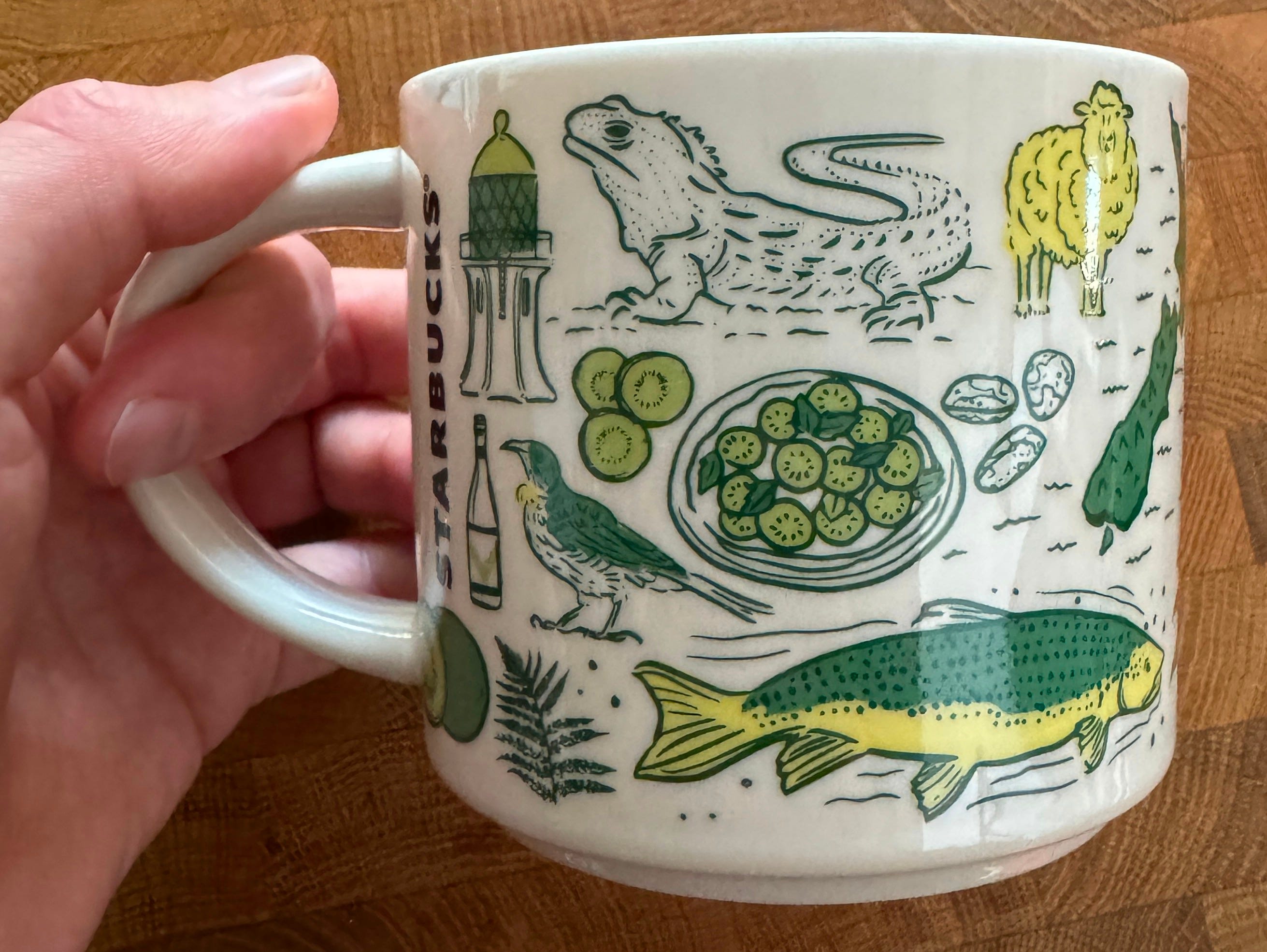
We were in Starbucks1 getting some gifts my wife wanted when I thought to myself: ‘how quaint, a souvenir shop selling coffee.’ Mind you this was Te Whanganui-a-tara Wellington, the place that claims more cafes per capita than anywhere else.
Now, I know what you’re thinking: Surely they’re dreaming. Surely there are more cafes per capita in say, New York or Melbourne. Surely souvenir shops shouldn’t be included in the numbers.
And you’d be right.
Let me tell you though, it is indeed true that in Te Whanganui-a-Tara you can get a decent brew by just going around the corner from where you are.
Fuel Espresso two doors down, for example. And, if I might say so myself, their Espresso Doppio Macchiato was *chef’s kiss* pure heaven (not AI, I swear).
In Aotearoa, as in Australia, coffee is treated like the essential morning emergency service it is. On the whole, us Kiwis, and our counterparts across the ditch, are early birds. We don’t even need an alarm. We just listen out for the first hiss of the barista’s practice brew.
Easy peasy.
Japanese people, on the other hand, I have no idea what they set their alarms to, sunset? I mean, I know a cafe here that opens at 1pm.
Opens.
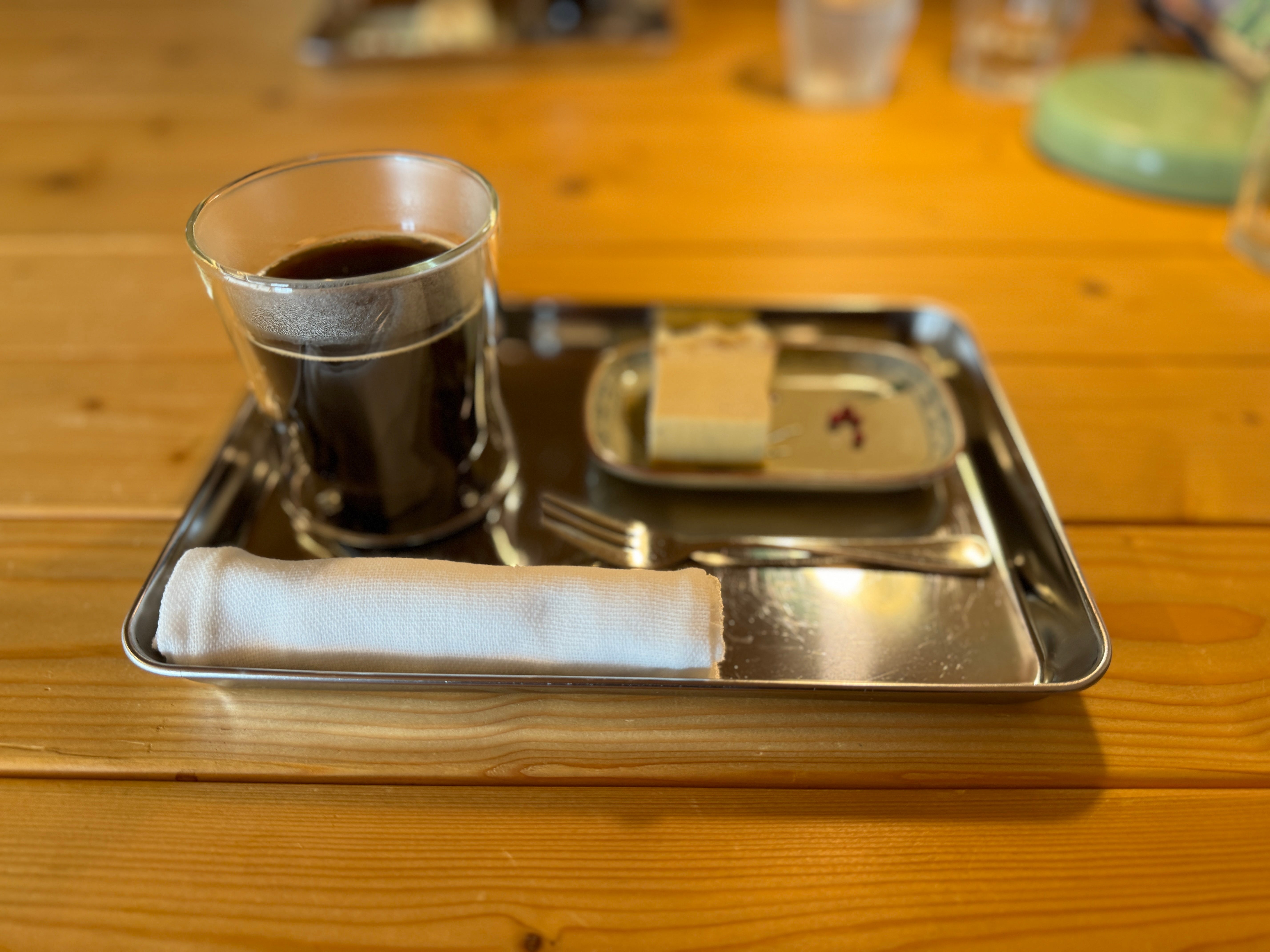
Try ordering a flat white in Aotearoa around that time. Well, 1pm is still lunchtime and therefore reasonable, but 2pm? The door will slam and a closed sign will sway in your face. So much for a culture of self-proclaimed coffee addicts.
In other words, just when us kiwis are closing up shop for the day, Japan is waking up.
Why is that? (Also, how do I survive?)
Simple.
Japan’s coffee culture is built on something entirely different. Something you may have heard of before: Kissa.
Kissa, or Kissaten, are the OG Japanese coffee shop that boomed in the mid-20th century. They have some very important differences with antipodean coffee. These differences explain exactly why Japanese people are zenzen daijobu with a cafe opening when the sun has already started going down.
Coffee Blacker than Kazuhiro
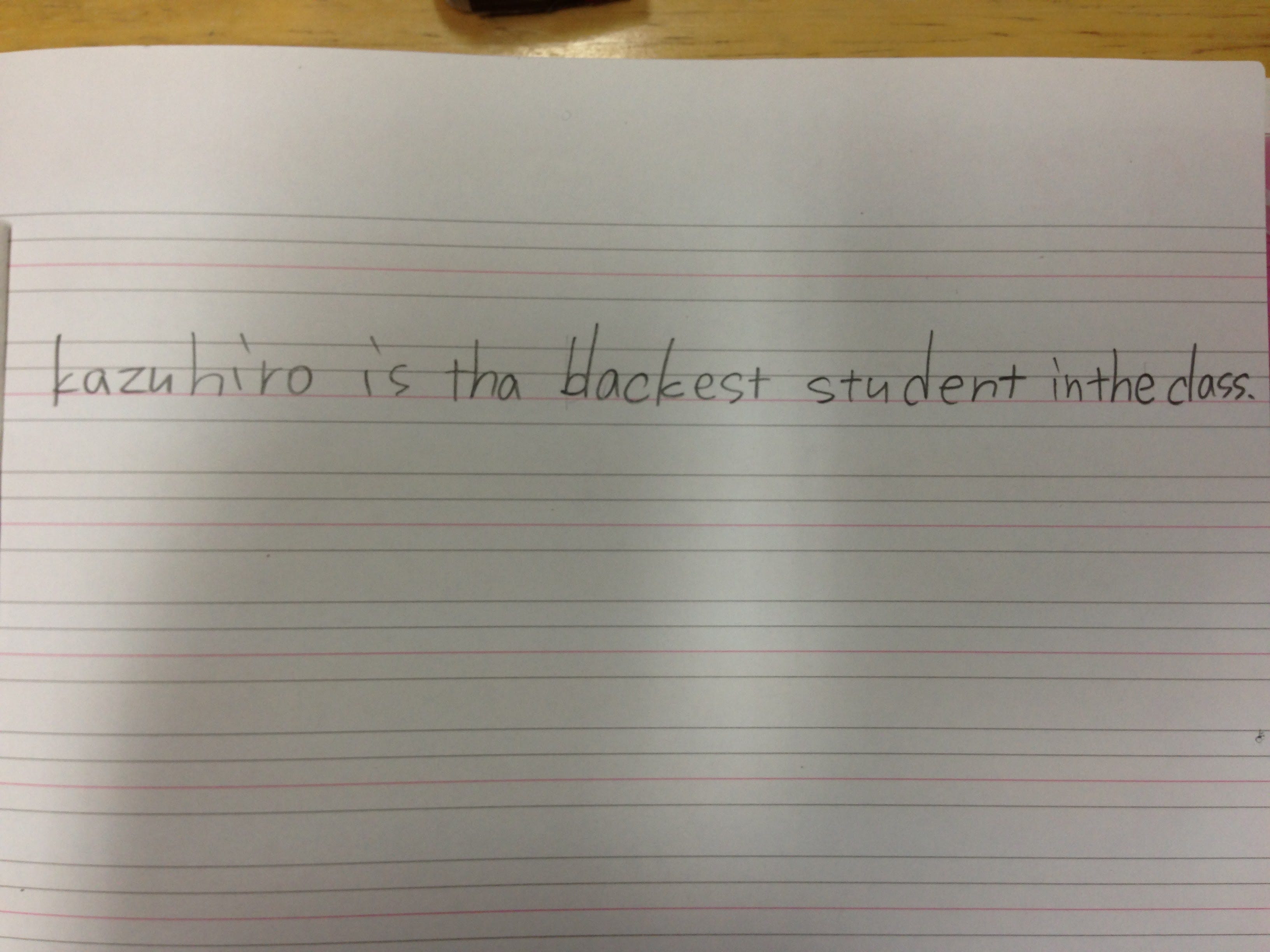
The coffee in Kissa is historically black; dark-roasted slow-drip filter (the best of which is cotton filter), or siphon. None of this third-wave unwashed sun-dried tomato light roast business the coffee world seems to have gotten its panties in a twist over.
The real star of the show though, and the real reason Kissa open so late, is their food. I’m talking egg sandos, ‘pizza toast’, and an abomination called ‘Napolitan pasta’ made with capsicum (or green peppers, as the rest of the world insists), bacon, mushrooms, and then straight up ketchup. The sort of thing that would make Italians say ‘You’ve already ruined my espresso. Now pasta too!?'
Mamma Mia!
Oh yeah, as much as I hate it, I would be remiss to not mention smoking too. If Japan were to ever actually outright ban smoking, which it won’t while the Japanese Ministry of Finance is legally obligated to hold more than a third stake in a tobacco company, it would be a death sentence for all things Kissa.
Really putting the smoko in smoko!
While there are exceptions, on the whole Kissa were never designed for the morning commute. Coffee until lunchtime in Japan is 100% about convenience. They already had an answer to the morning jitters in the form of sub-par canned coffee from a vending machine, convenience store coffee, and, Kami forbid, instant coffee (**shudders**).
Oh, and um, souvenir shop coffee?
Let them have their Boss Coffee, I guess.
Now, let me ask you, would you want to serve lunch at breakfast time?
Exactly.
Neither do Kissa.
When third-wave and espresso coffee culture made its way into Japan, it really was a foreign import. Then, just like Buddhism blending into Shinto, so too was Australasian coffee culture blended into Kissa.
Well, to an extent. They’re still separate, but similar things.
Kissa are more for unwinding in the afternoon, or in some cases, the evening. The whole ‘no caffeine after 3pm’ thing doesn’t seem to phase the Japanese much, possibly because of their history of drinking tea?
Who knows?
There are still espresso shops around, especially in the bigger cities. Out here in the countryside though…
Yeah, good luck with that!
Either way, Japanese people treat cafes more as an after-lunch pick-me-up rather than a morning thing. Survive the morning through sheer will and, um, delusion, then save the cafe for after lunch when we naturally start to become more tired. Sure, the food coma caused by copious amounts of rice consumed at lunch can’t help, but maybe that’s the true reason for the post-lunch early evening brew?
Who am I to say?
In short, just like us kiwis need coffee in the morning to survive the day, Japanese people need coffee to survive their (admittedly much longer) day.
Which is all well and good for the locals.
But ahh, I’m not Japanese. I can’t survive off sub-par coffee. I need essential morning emergency service.
Every. Single. Day.
Which is pretty much why I learned to make coffee myself:
Home:
I have an espresso machine I use to make espressos (duh) and lattes. I also always have paper filters and a Hario V60 handy if I want some smooth kazuhiro coffee. However, my absolute favourite is the cotton nel filters (from the word flannel) when I can get them. These help the coffee maintain a lot of the oils and don’t get that paper taste. This is what I’d suggest you drink at a Kissa in Japan if you can find it. Real snobs would know what I mean.
Away:
When I know I’m going to be away from my setup, I carry a portable espresso maker2 and pre-ground beans. A crime against specialty coffee, I know, but I’m yet to find a decent portable hand grinder for espresso grind. I guess I’m telling you to do this if you can’t secure your essential morning emergency service.
So where does that put you, humble visitor to Japan?
Japanese cafes open too late. Australasian cafes close too soon. What we need is a hybrid. A place that sells coffee in both the morning and the night. Maybe you could make one? You’d go great guns.
You could even model it on Starbucks. Opening until relatively late in Aotearoa, and very late by Aotearoa standards in Japan, Starbucks seems to have solved the conundrum.
Just make sure you sell more than souvenirs.
Further Reading


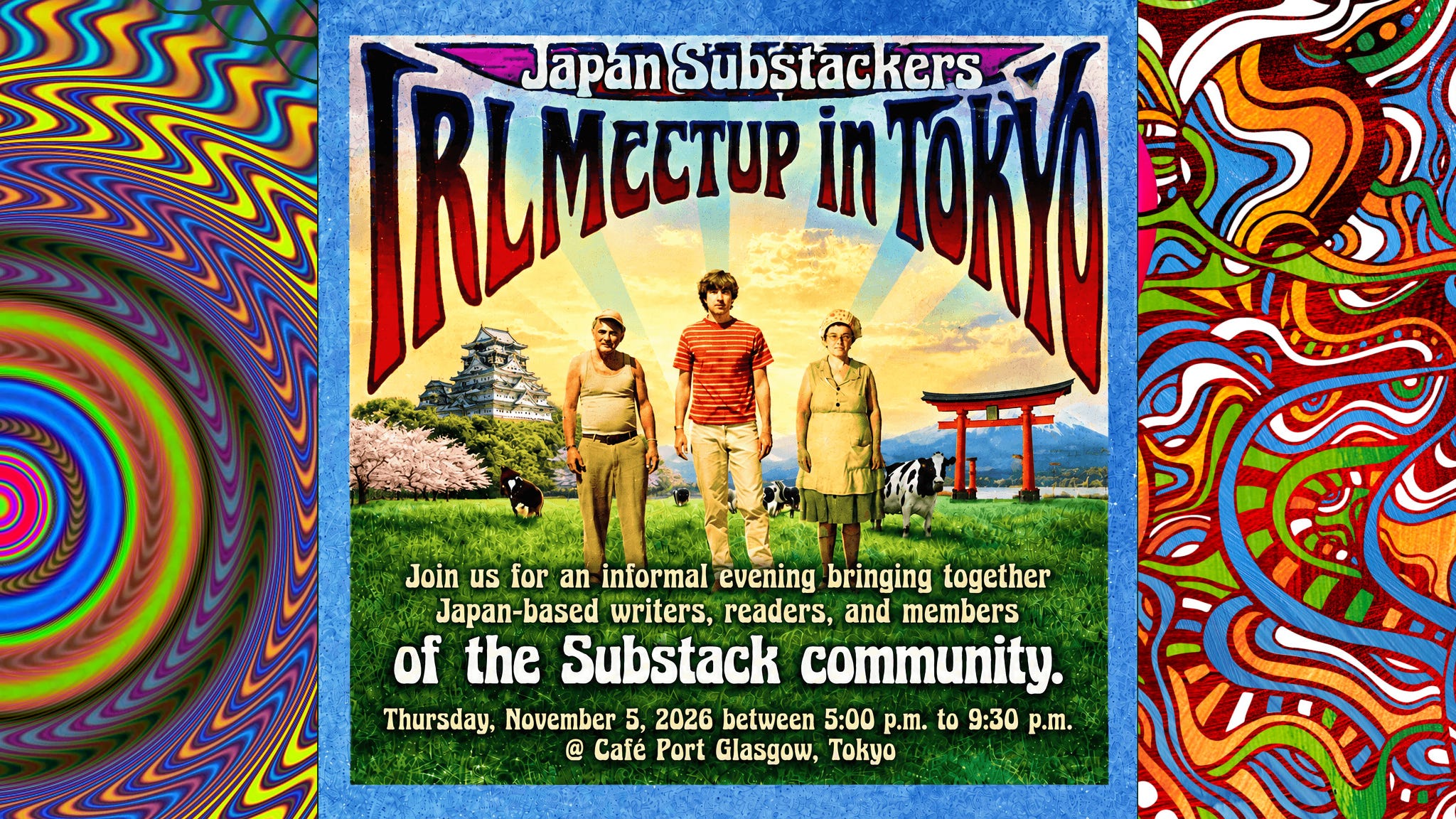
Meetup in Tokyo on November 5
Check out this awesome graphic Mark Kennedy made! Come join us!
Daily Yamabushi Posts for October 9 to 15, 2026
Here are my Daily Yamabushi posts for the past week. Get more Daily Yamabushi posts at timbunting.com/daily-yamabushi. Discover more Japan essays and daily insights in the Kiwi Yamabushi Substack Archive, or follow my writing over on Medium.com.
Rather than clicking on these individually, you can just read all at once here.
The irony that I partially wrote this in a Starbucks (Maccha Rate Toru Magu Kappu de onegaishimasu) is not lost on me.
I feel that you are missing the entire Nagoya (and other cities?) morning set tradition. Plenty of cafes in Nagoya give you a pretty decent breakfast - egg, bread, salad as a morningu
Now is the coffee amazeballs nel or whatever - probably not. But it is properly black and filled with caffeine
Yes, yes, yes. Things have gotten better in the big cities, but the chances of finding a hot cup of coffee in the morning in the countryside are near zero. Coffee isn't even served at a lot of otherwise pretty swanky ryokan! For this reason I've taken to carrying instant coffee with me on trips. That Nanopresso is incredibly tempting but I'd rather not have the extra weight on hikes...