
Here are two videos I’ve watched recently that I really loved and I think you will too:
First up
"If you start a marathon thinking about mile twenty-six, you're done before you start. When you're out there paddling, you can't be thinking about the island on the horizon or how many hours are left. You focus only on the stroke you're taking right now. Just the catch, the pull, the exit. Be where you are, focus on the current self, and let the rest take care of itself."
- Nathan Fa’avae
I really enjoyed listening to this. Not because he’s a kiwi or a world-beater, but that’s definitely part of it. No, mainly it was because of the parallel between the mindset needed to win at adventure sport, and what we try to do as yamabushi.
It reminded me of a phrase used by the All Blacks (New Zealand’s national rugby team, and one of the most winningest teams in sport, in case you are unaware):
Be where your feet are
This is the phrase used when the team is under immense situational pressure, like when you find your mind wandering to something irrelevant in that particular moment, like the scoreboard or the clock, or a mistake you made earlier. It’s a reminder to focus on where you are right now, and what your next step needs to be to progress.
For us yamabushi, if you’re walking along a cliff, for example, you are essentially forced to be where your feet are. It couldn’t get any clearer than that, and it is a great thing to remember when you find yourself in a pivotal but pressured situation. Kind of badass when you think that just like Nathan, yamabushi purposely put themselves in these situations, but that’s precisely where these solutions come from. Nothing ventured, nothing gained.
As a father of two young girls in the modern world, this also struck a chord with me, although it would take me a hell of a lot of preparation, both physical and mental, to get to this stage. Maybe in NZ!
Our kids are growing up with an incredible amount of privilege compared to how we had it, or how generations before us had it. Everything is push-button, heated, comfortable, and safe. If you don’t deliberately introduce friction into their lives, how do they learn what they’re actually capable of handling?
That’s why I take them out into the bush for seven or eight days at a time. No phones, no screens, no easy outs. You’re wet, you’re tired, you’ve got to carry your pack, and dinner doesn’t happen unless you make a fire and cook it. It’s not about being cruel; it’s about stripping away all the noise so they understand that discomfort isn’t fatal. You want them to know that when things get genuinely hard, they have an internal gear they can drop into—and you only build that by testing it against the elements.
- Nathan Fa’avae
If this speaks to you, defs watch the video! They also had Steven Adams and Graham Norton on.
And this: This video explains Japanese technology waaaay better than I ever could:
Want to know why Japanese technology is so… shit? (like actually?). This video explains is so well! (Basically outsourcing the outsourcing, then outsourcing that again until any basic change requires layers of approval)
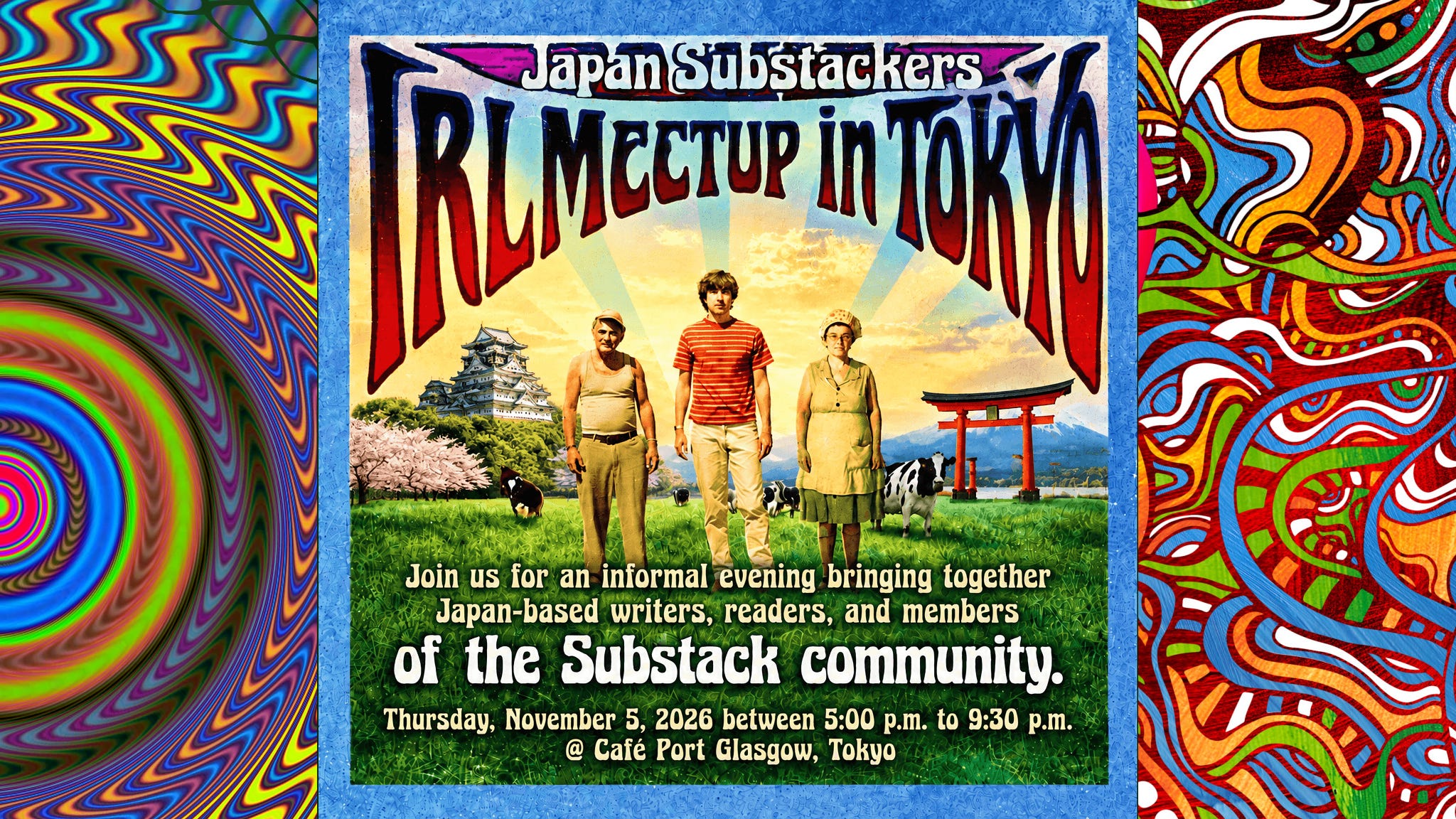
Meetup in Tokyo on November 5
Next week! (Or next next week in Japanese. A week ends on a Sunday, so if I said next week in Japanese, it would mean the 29th, even though it’s only five days away).
Daily Yamabushi Posts for October 16 to 22, 2026
Here are my Daily Yamabushi posts for the past week. Get more Daily Yamabushi posts at timbunting.com/daily-yamabushi. Discover more Japan essays and daily insights in the Kiwi Yamabushi Substack Archive, or follow my writing over on Medium.com.
Rather than clicking on these individually, you can just read all at once here.