
Tohoku’s 29-Metre Middle Finger to Kyoto
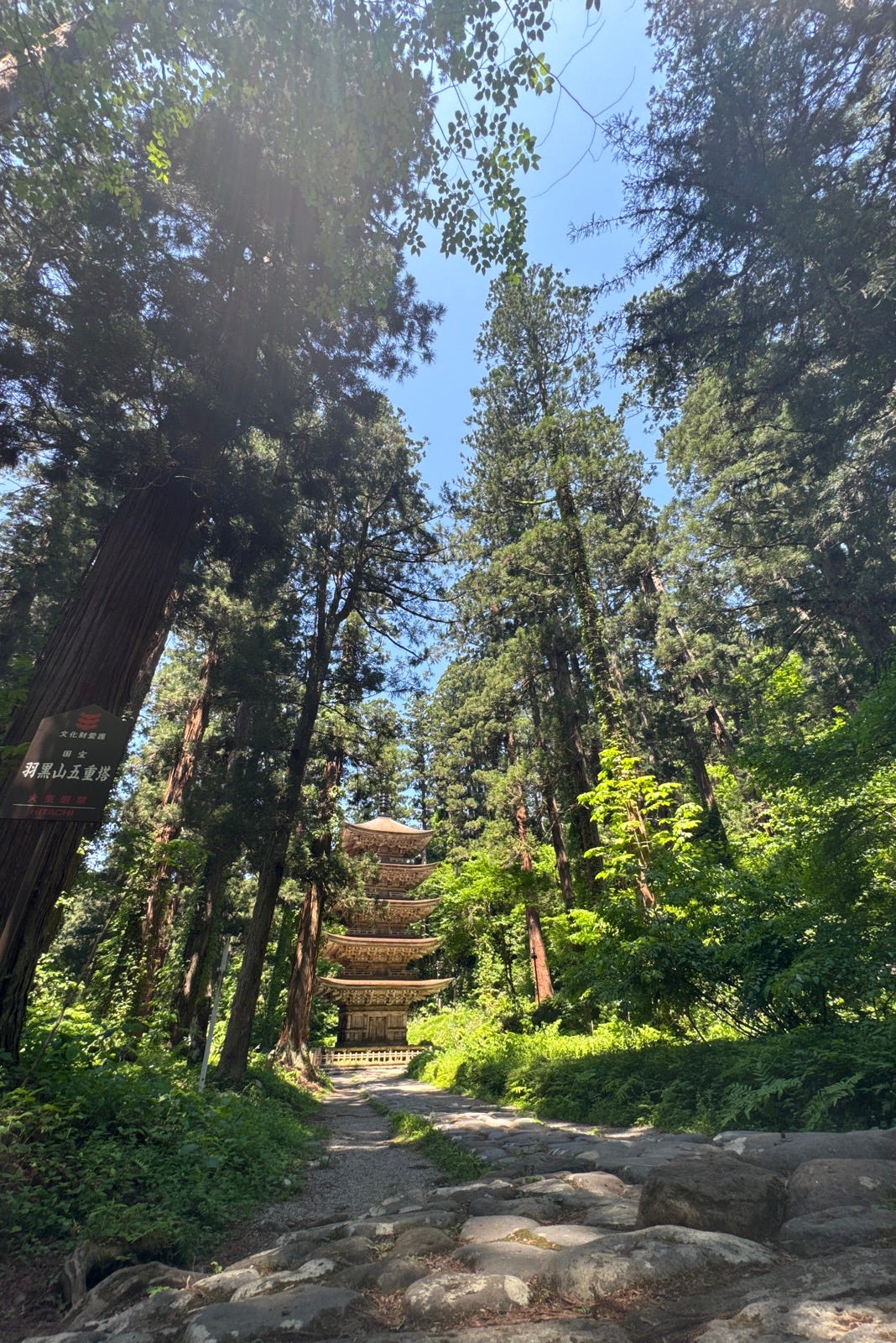
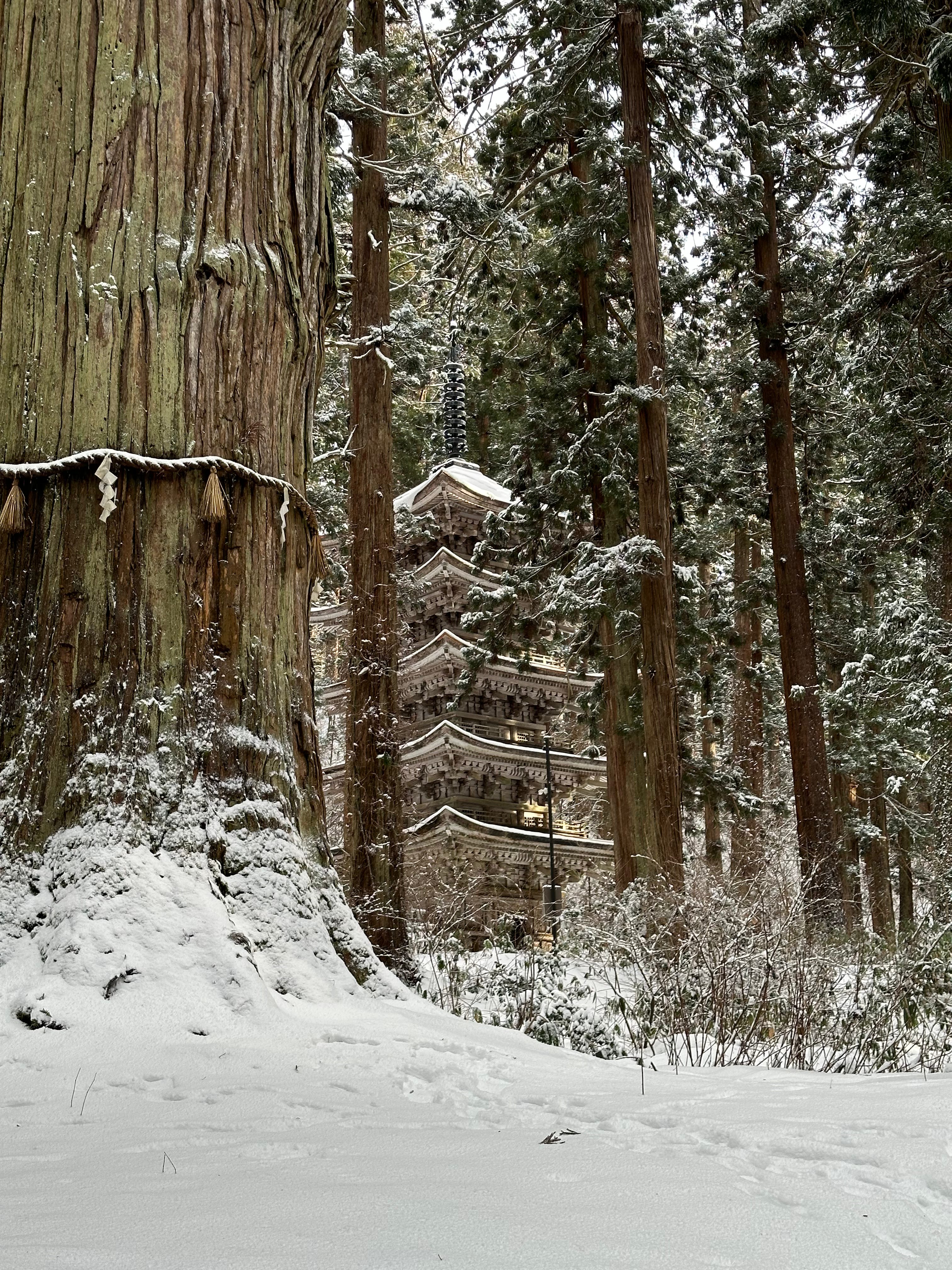
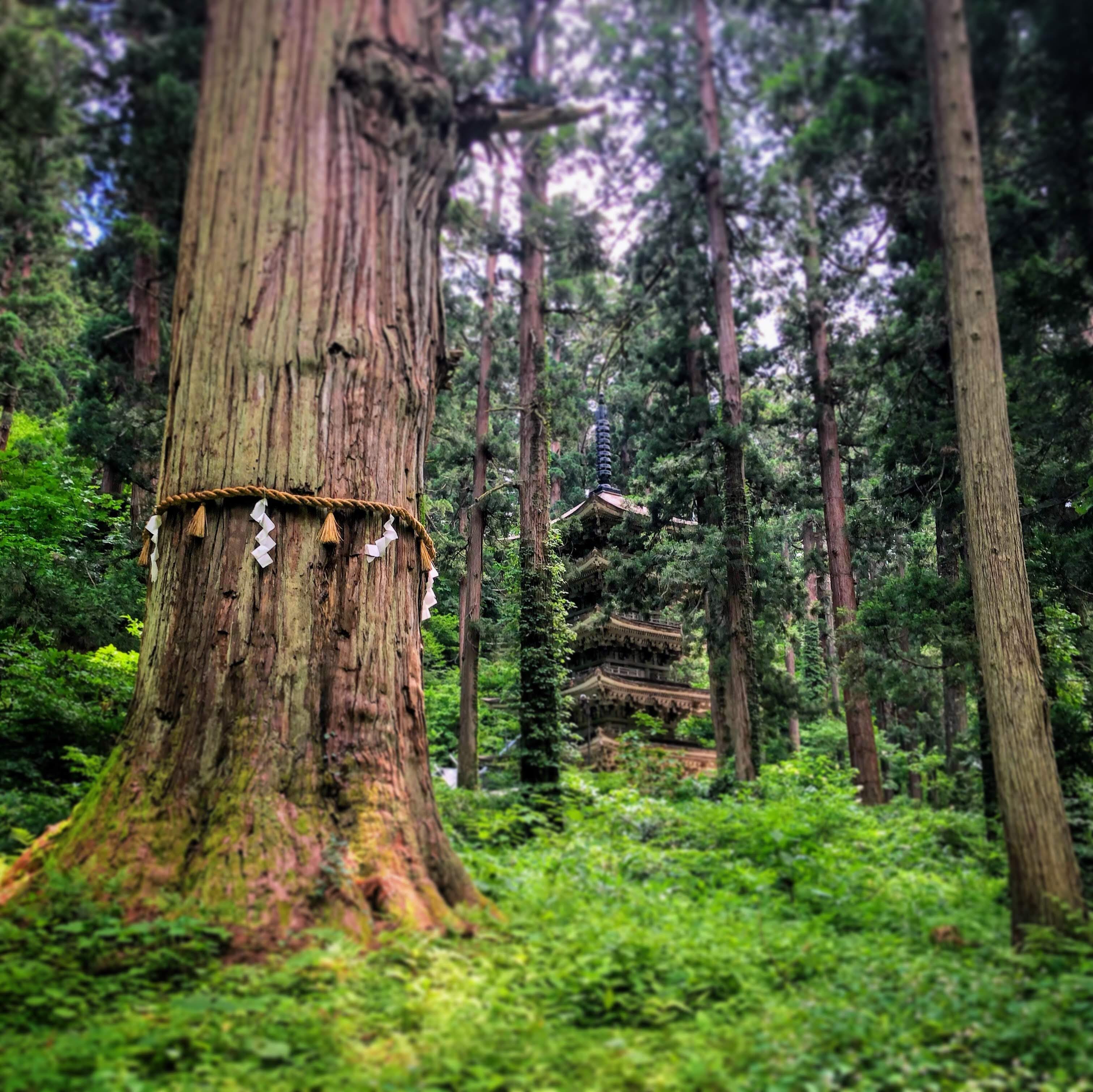
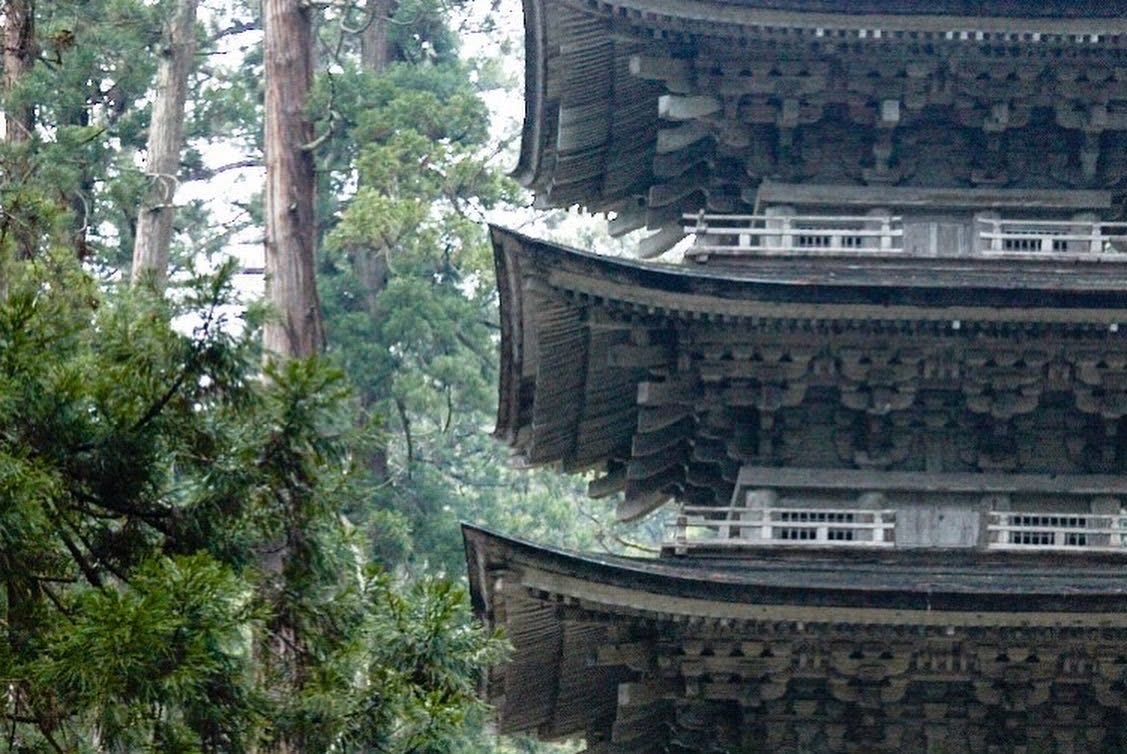
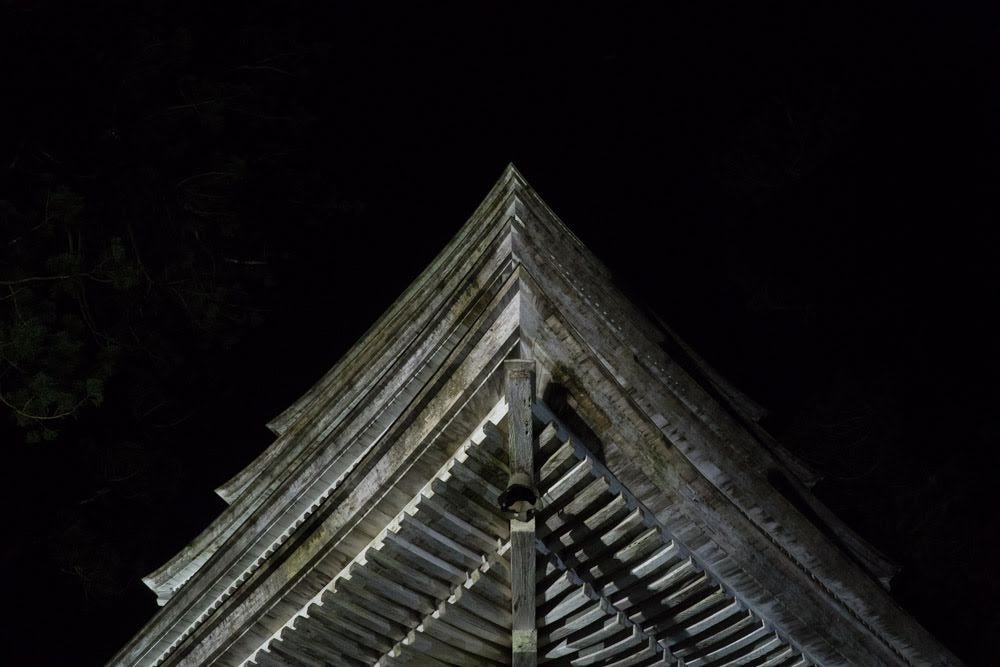
Haguro-san’s National Treasure Five Story Pagoda is famously shiraki (白木), literally ‘white wood’, what we would call in English ‘blank’ or ‘unvarnished’. Even after more than 650 years in brutal snow country, the tower famously still has zero paint, varnish, or unnecessary embellishments.
This is entirely on purpose.
Ask any local guide and they’ll give you the standard line ‘it was left unpainted to blend into the surrounding cedar forest.’
Cool story bro.
Or, as I like to say:
amateur.
I mean, that would make sense if the tower wasn’t built 200 years before the cedar forest was planted.
But still.
What if I told you the real reason the pagoda lacks any pigment could be political? What if I told you that leaving the massive timber structure unpainted was a 29-metre (95.1 ft.) middle finger to establishment?
Because it may well have been.
To understand this, you have to understand where we live in Japan: Literally ‘east north’, Tohoku is the north-east part of Honshu, Japan’s main island. Otherwise known as ‘bum-fuck nowhere’, ‘where the fuck is that’, or ’the deep north’, Tohoku covers 30% of Japan’s main island of Honshu.
And yet, the whole region more often than not fails to get a mention in many an ‘ultimate’ or ‘best’ Japan itinerary1.
I sound bitter.
I’m not bitter.
In fact, it’s the opposite.
I really really don’t want this area to turn into Kyoto. We don’t need your kind around here, and all that. (It’s one reason why Yamabushido has such a rigorous vetting process). Plus, I think anyone reading this newsletter is sophisticated enough to want the same.
Anyway, these ‘ultimate Japan itineraries’ aren’t exactly wrong to discount Tohoku. Well, if they were using a map that is more than 1,000 years old, that would make sense.
You see, 1,000 years ago, Tohoku was not part of Japan. In those days Tohoku was full of Emishi, Ebisu, or Ezo. Or, as those fools from the capital at the time Kyoto (or Nara) say,
‘barbarians’.
Either way, despite being on the same island in an island country, Tohoku never used to be a part of Japan. What with their “culture” and “green” tea, it took those dudes from Kyoto a looooong time to conquer this place. Like four hundred years long (to do a proper job, at least. See here).
The Emishi had been in “Japan” much longer than that. Like 10,000-15,000 years longer. It got so bad for the imperial court they had to invent a brand new military title just for the guy sent to take them over: Sei’i Taishogun, which literally translates to “Great General Who Subdues the Barbarians (referring to the Emishi, not the people in Kyoto)”.
Or in English:
Shogun.
So, what does this have to do with a centuries-old, 95-foot, 1-and-23/32-inch2 unpainted tower on Haguro-san?
Oh yeah. About that.
Purposely not using varnish or paint was on purpose.
Called shu, or vermilion in English, you may have noticed many temples and shrines in Japan are painted a specific shade of red. Why? Red represents the yang element of fire that acts as a spiritual shield against the cold, dark forces of yin.
In case you didn’t realise, yin and yang are concepts from China, part of the Taoist and Chinese Five Elements philosophy. Basically, fire is pure yang energy associated with light, warmth, and life. For the punks in Kyoto and Nara, painting things this way was a spiritual firewall to ward off evil.
Plus they had the funds to do it too.
Cool story bro.
Very cool indeed.
Now, to be fair, unpainted wood isn’t unique to Haguro-san. Not in the slightest. Shinto shrines, like Ise Jingu, were always built shiraki to honour the spirit of the wood.
But when Buddhism rolled in from China, the Japanese imperial court in Kyoto decided that “proper” spiritual architecture required slathering everything in bright, imported Chinese red. The yamabushi of Haguro were not having a bar of it. When it came to choosing which shade of red to paint the five story pagoda, the Haguro yamabushi were like ‘we don’t need your patent-pending state-approved Chinese vermilion lacquer to connect with nature’.
And so the Yamabushi of Haguro-san did what the people of Tohoku have always done: ignored the capital, backed their own mountains, and raw-dogged a National Treasure.
Daily Yamabushi Posts for July 17 to 23, 2026
Here are my Daily Yamabushi posts for the past week. Get more Daily Yamabushi posts at timbunting.com/daily-yamabushi. Discover more Japan essays and daily insights in the Kiwi Yamabushi Substack Archive, or follow my writing over on Medium.com.
Yes, I am cherry picking. But 9 times out of 10 they fail to add anything above Fukushima or below Hokkaido, Aomori sometimes.
For my American readers. Am I helping (prove why Metric is better)?
I gotta visit this place sometime. Here and Shirakami Sanchi.
Excellent post! Thank you!!