
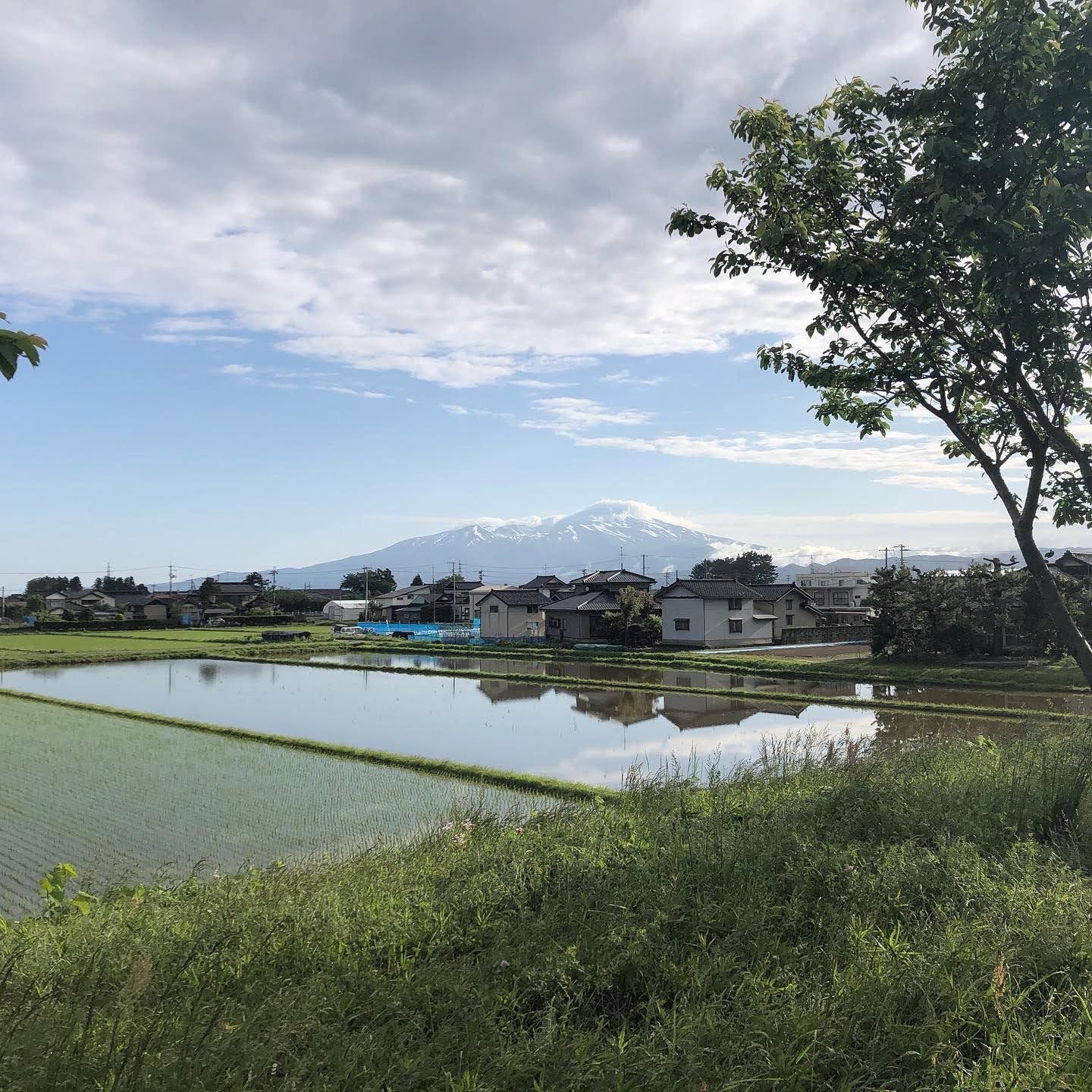
As a 16-years-a-gaijin, and after learning Japanese for more than 25 years now, it takes something truly out of the ordinary to surprise me about Japanese culture. Yet just last week I got such a healthy dose of culture shock it even bewildered the Japanese themselves, and all because I found some of the most dangerous weapons known to man, in my suitcase.
I’m a swimmer. Well, a swimmer with balls. A waterpolo player, I used to play waterpolo, OK? Needless to say, I can swim pretty well, as I have for the past 30-odd years.
Any swimmer knows you can practice your crawl technique using ‘pull’. You place a floating figure-eight foam thing called a pull buoy between your legs and swim using only your upper body.
Simple enough.
Except, despite being readily available in Aotearoa New Zealand pools, my local Japanese pool doesn’t have any, nor do local sports stores. So, what is a poor yamabushi to do? Why, shove a flutter board between my legs like some medieval torture device, of course.
Until recently, that is.
You see, being a big boy and all, last month on a visit to my hometown I bought my very own pull buoy. 15% off too! Kiwis know you never pay full price at Rebel Sport. While there, I had a look for anything else that could help my stroke too, and found some plastic finger paddles. A quick message to my swim coach Gemini later, and those plastic paddles were quickly added to my arsenal.
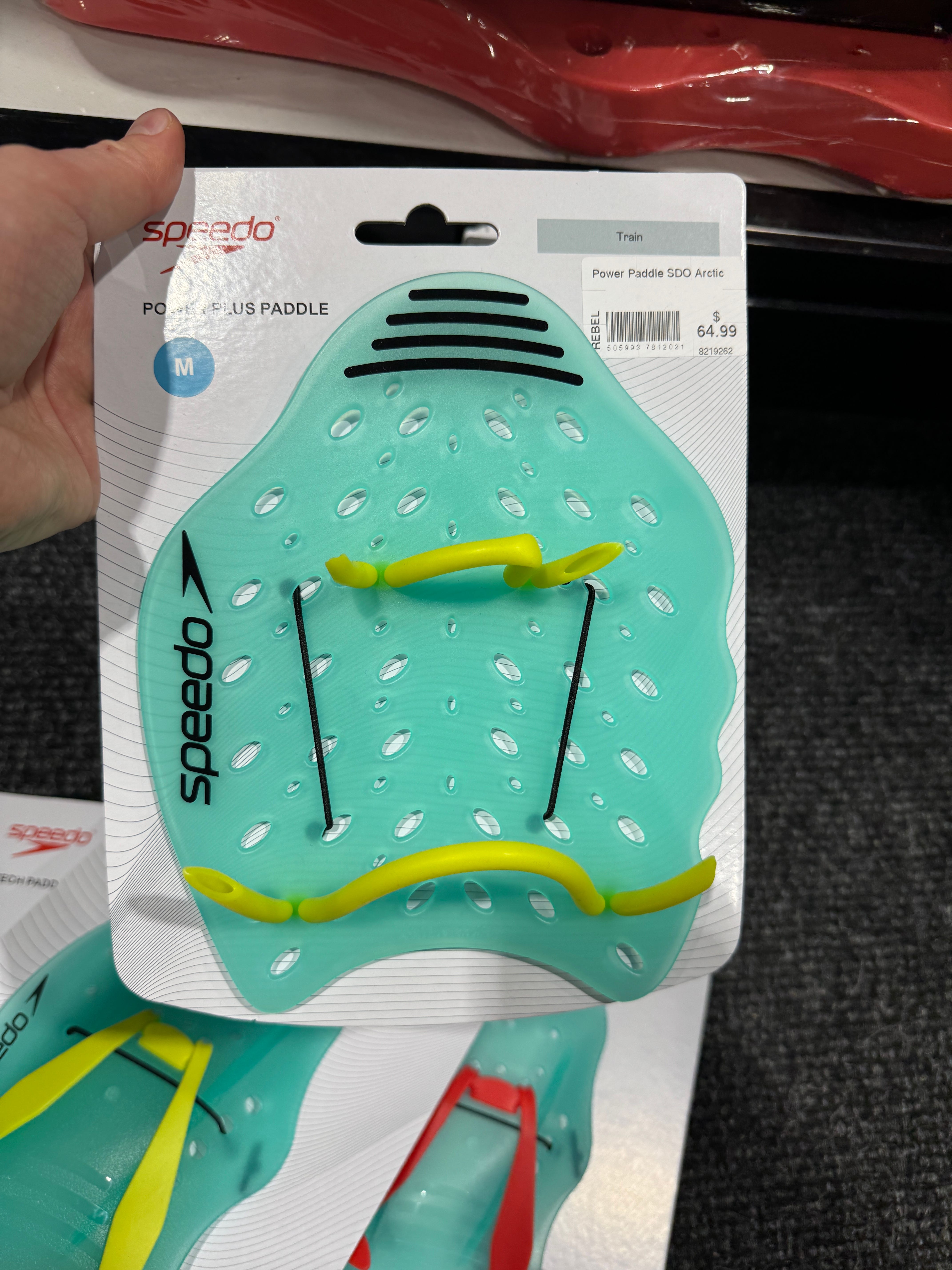
When I got back to Japan last week, I was very keen to test these toys out in the water. I strutted proudly to the side of the pool and placed them down, but not before having a chat with my favourite lifeguard, Konno-san.
Due to his smiley nature, and the fact he’s a bit on the heavier side, Konno-san is the sort of fellow you could aptly describe as jolly. To be honest, he’s kind of like the Japanese Santa Claus.
Except, um, he’s bald, and he has no beard.
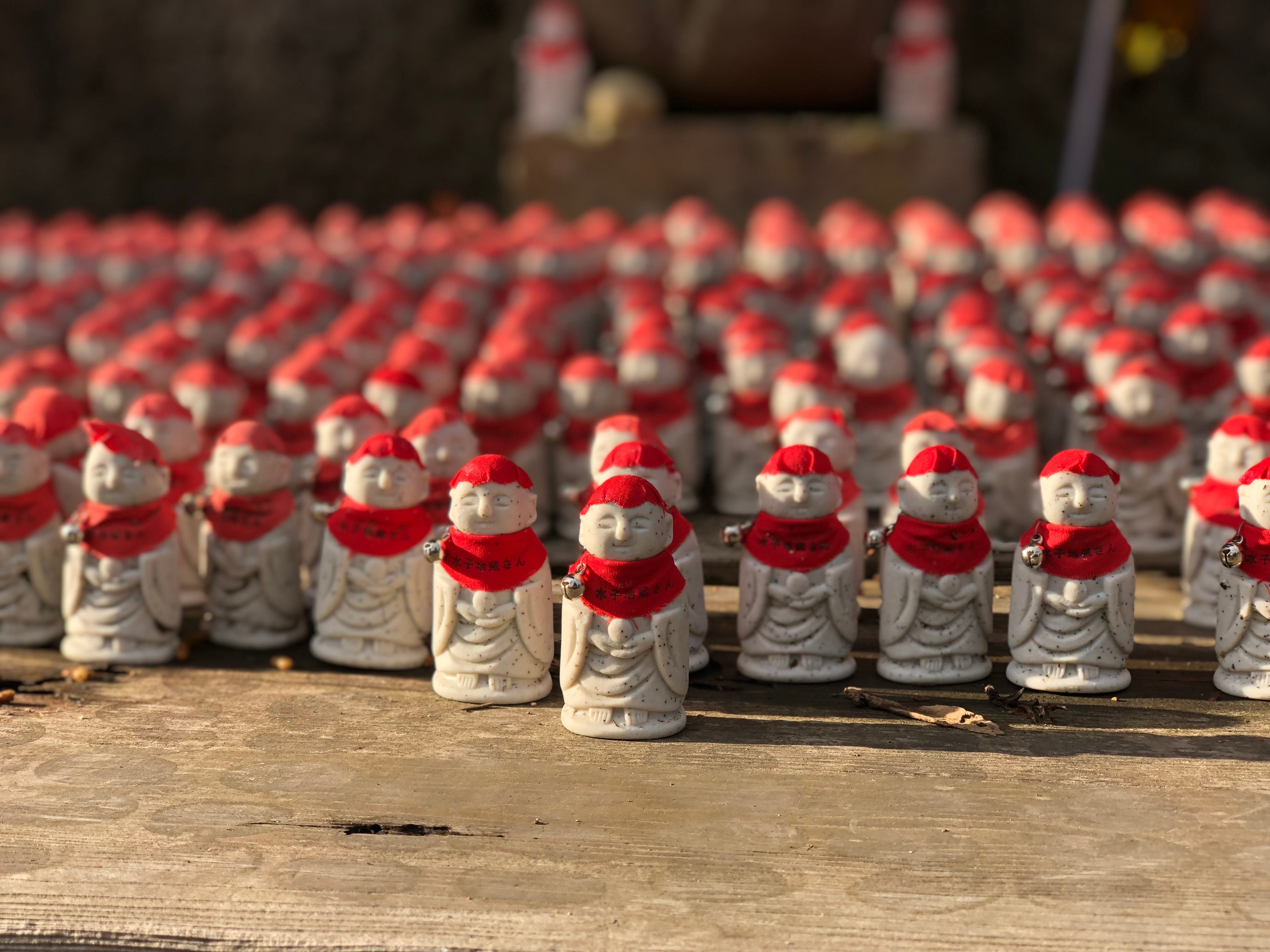
To make matters worse, besides the Coca Cola red of the Santa we know, Konno-san is always wearing what could only be described as ‘lifeguard orange’, an orange kiwis would understand as the same hue as Orange Guy (fitting, as it’s election season).
Well, after a few warm-up laps I put my new paddles on, and started swimming. Halfway down the return lap though, I notice an orange figure running alongside trying to grab my attention.
Konno-san.
This immediately triggered a memory of my very first lap in a Japanese swimming pool, way back in 2010. Back then too, I noticed a figure in lifeguard orange running alongside me trying to flag me down. I’ll always remember it because the lifeguard was kind of condescending, “In Japanese pools, wearing a swim cap is ippan joshiki (common sense).”
Well, common sense ain’t so common in Aotearoa then. Caps are an inconvenience, unless you have long hair that is.
Alas, rules is rules. I bought my first ever swim cap that day, and got a good lesson in abiding by arbitrary Japanese rules. You see, despite having zero follicles on his scalp, even Konno-san willingly (blindly) stretches a rubber cap over his head when he swims.
Speaking of, I pulled up to the side of the pool and stopped to talk to Konno-san:
“Are those… plastic?” he asked, looking genuinely apologetic.
“Ah, yes, they are,” I said.
“Yeah. You can’t have them in the pool. They’re too hard, they might injure someone.”
I stood there, a swimmer for more than 30 years, trying to understand how something built precisely for swimming pools could be officially banned in Japan. I felt like asking “Is common sense too hard too?”
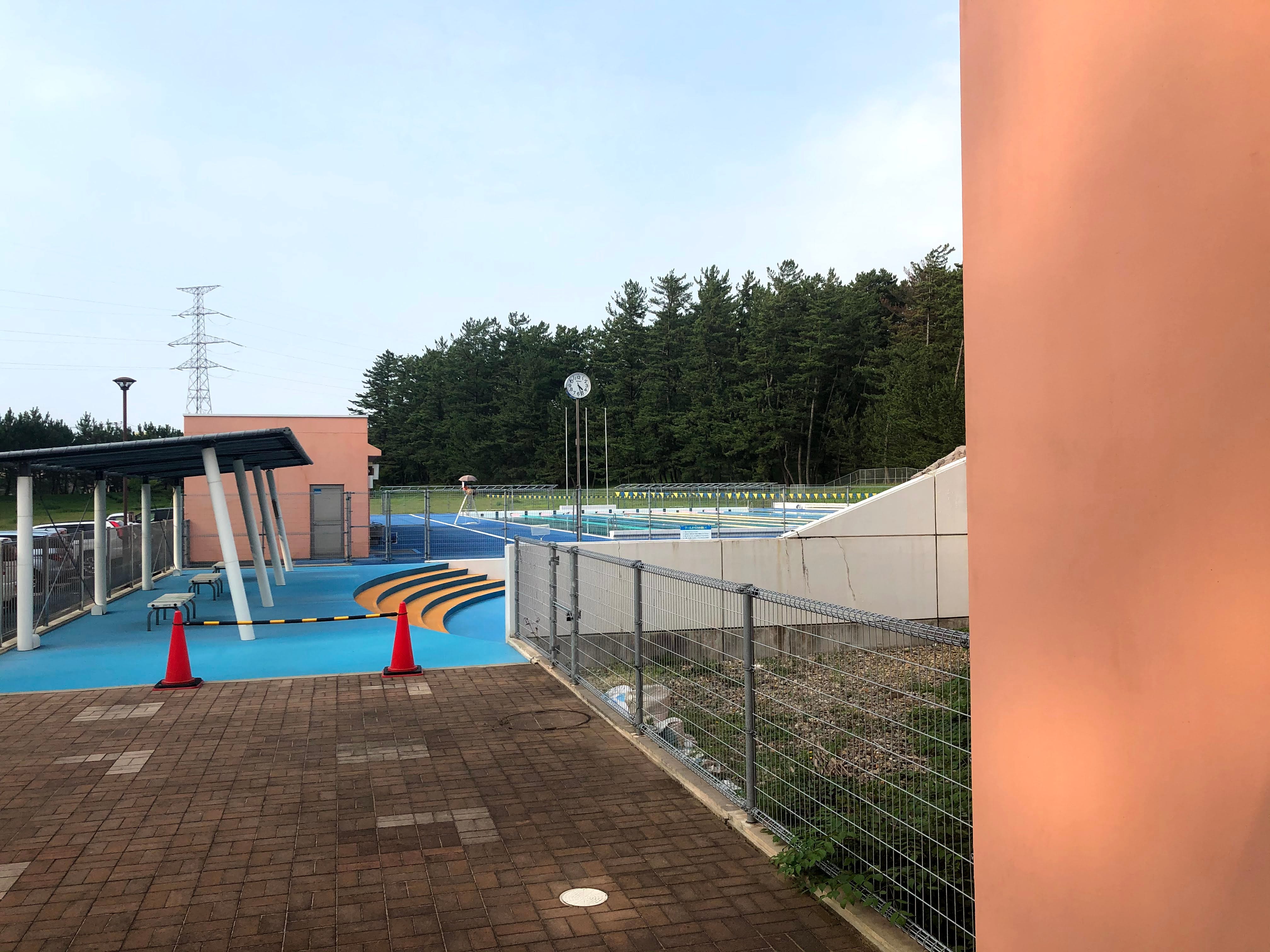
I’ve written about it before, but Japanese people love signs. This very pool has a whole wall of them they keep adding a laminated sheet to for each and every tiny detail you could possibly imagine.
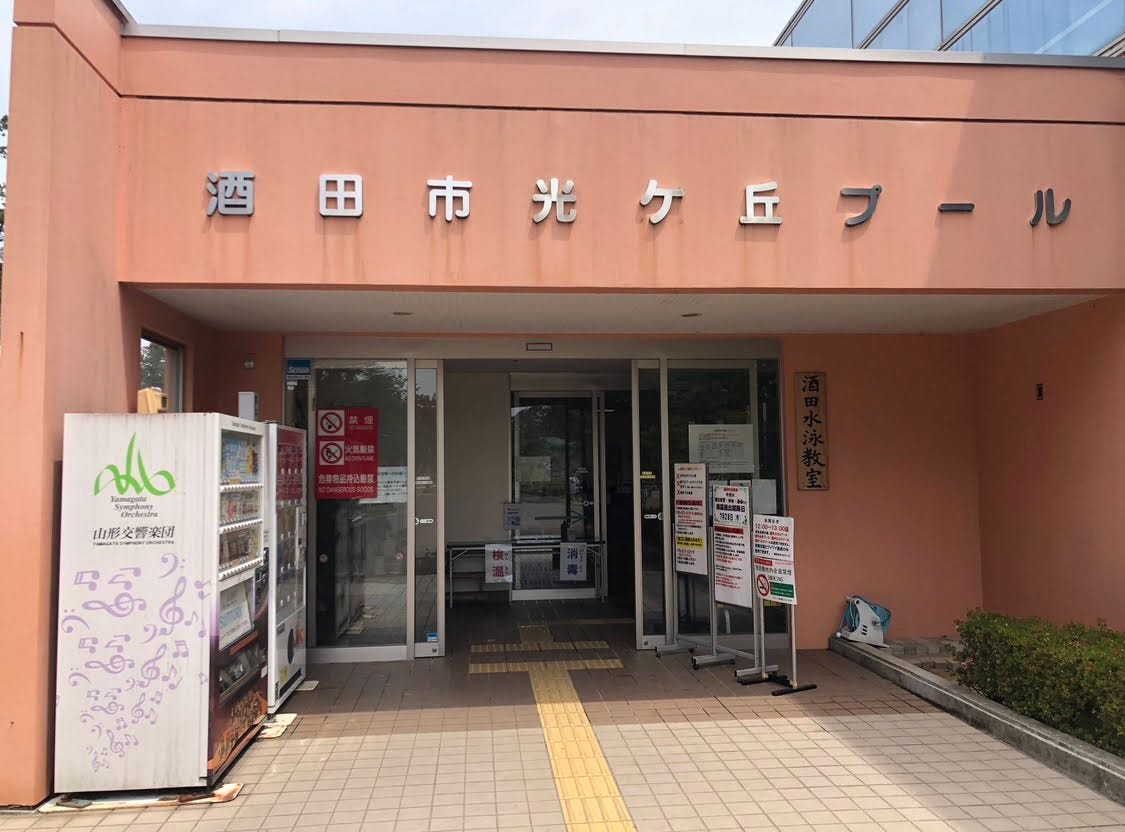
Except, maybe, weapons-grade finger paddles? I could have sworn I’d never seen such a rule, I would remember that one.
And you know what?
The retirees in the lane next to me who had gathered like a flock of seagulls to see what the fuss was about had my back. Mouth agape, one of the older gentlemen said, very plainly, “I’ve never heard of that” to which all the others nodded.
That’s right!
It wasn’t just yours truly who got a healthy dose of culture shock, it was the Japanese people in Lane 2 and 3 as well!
Come to think of it, many of the older people like to walk across the lanes right when and where I’m about to turn. More often than I’d like to admit I find myself swearing into the water. Then for my troubles all I get is a heavily accented “sorry!” (this happened the same day too!).
Plus, more than once I’ve noticed older lifeguards on duty nodding off to sleep in their chairs (never Konno-san mind you!). Surely there must be some rule against that?
I took off my contraband, and reminisced about the arduous 9,000km journey we had just made together only to get thwarted by some arbitrary rules with equally arbitrary reasoning. Next time I should bring my knuckledusters. Surely they aren’t written on the wall.
Still suffering from the shock, I held the plastic paddles in my hands, stared at them for a bit, and thought to myself, “at least I didn’t pay full price!”.
Further Reading:
The Uniquely Japanese Superpower
Why Japan Has Tofu Exams But No Lifeguard Standards
Meetup in Tokyo on November 5
Update: I heard Gianni Simone will be there too!
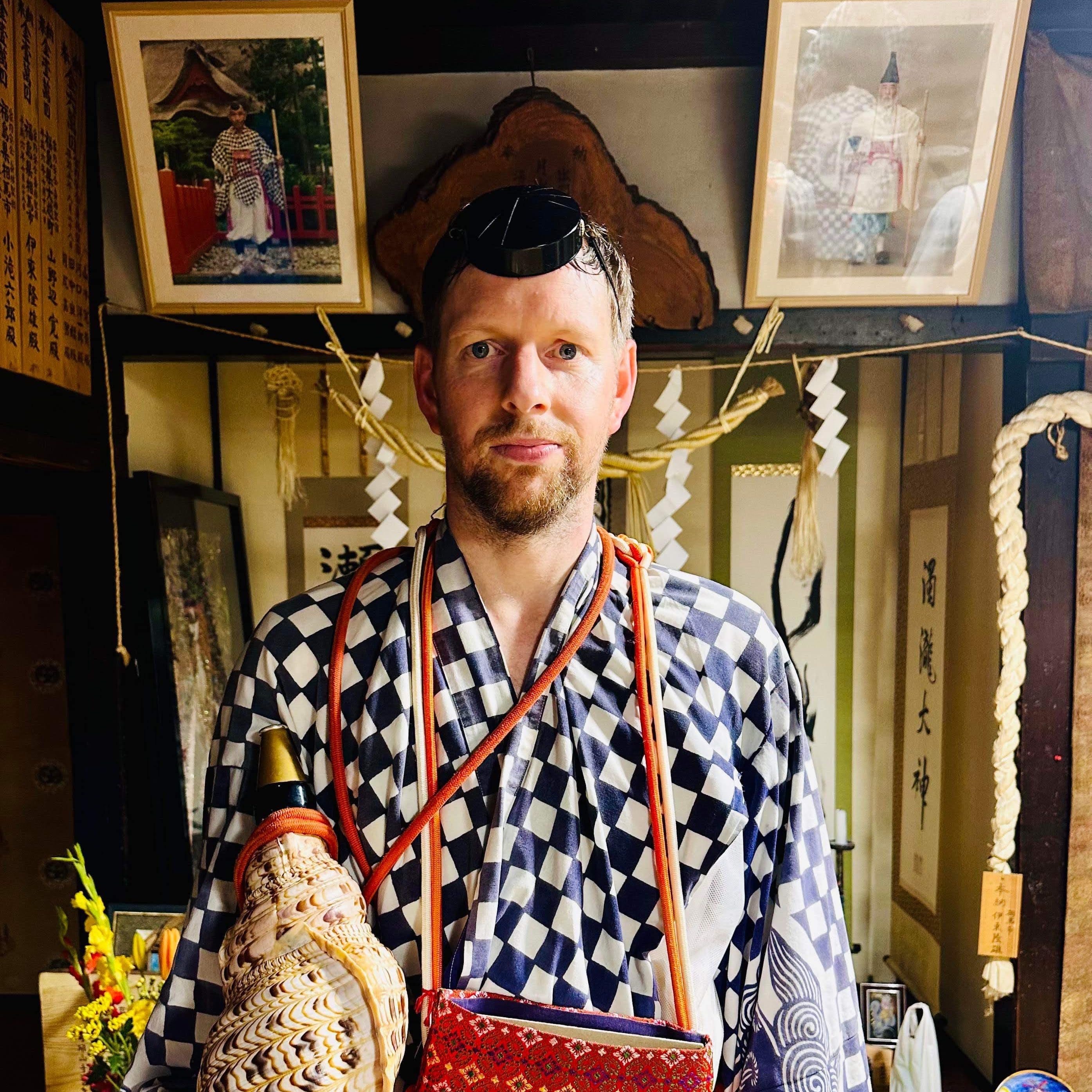
If you ever wanted a slice of Aotearoa in Japan, I’ll be at this meetup in Tokyo on November 5th. That’s right, I’ll be coming out of my yamabushi-hole deep in the mountains of Middle Yamagata and venturing to the big city, something I haven’t done since COVID actually. So come meet us in Tokyo!
Daily Yamabushi Posts for September 25 to October 1, 2026
Here are my Daily Yamabushi posts for the past week. Get more Daily Yamabushi posts at timbunting.com/daily-yamabushi. Discover more Japan essays and daily insights in the Kiwi Yamabushi Substack Archive, or follow my writing over on Medium.com.
Rather than clicking on these individually, you can just read all at once here.